When winter storms finally give way to warmer temperatures, many homeowners breathe a sigh of relief. But snow melt can create serious plumbing issues — especially in New Jersey and Pennsylvania, where heavy snowfall followed by rapid thaws is common.
As snow melts, large volumes of water saturate the ground and flow toward your home’s foundation. If your plumbing system isn’t prepared, that runoff can lead to leaks, backups, and even flooding.
Here’s what to watch for — and how to protect your home.
Basement Flooding and Foundation Leaks
When snow melts quickly, the ground may still be frozen underneath. This prevents proper absorption, causing water to pool around your foundation.
Common plumbing-related concerns include:
-
Water seeping through foundation cracks
-
Flooded utility rooms
-
Overwhelmed perimeter drains
-
Increased pressure on underground piping
Even small foundation leaks can allow water to reach plumbing lines and weaken pipe joints over time.
Prevention Tips:
-
Clear snow at least 3–5 feet away from your foundation
-
Check basement walls for cracks
-
Ensure proper grading directs water away from your home
Sewer Line Backups
Rapid snow melt can overwhelm municipal sewer systems. When this happens, excess water may push back into residential sewer lines.
Warning signs include:
-
Gurgling drains
-
Water backing up into floor drains
-
Slow flushing toilets
-
Foul odors
If your home has older clay or cast iron sewer pipes, snow melt combined with root intrusion can make the situation worse.
Prevention Tips:
-
Schedule a sewer line camera inspection
-
Install a backwater valve
-
Avoid running excessive water during peak thaw periods
Sump Pump Failures
Your sump pump works hardest during snow melt. If it fails, your basement can flood quickly.
Common snow melt issues include:
-
Continuous pump operation leading to burnout
-
Frozen discharge lines
-
Power outages during storms
-
Clogged pump intakes
Prevention Tips:
-
Test your sump pump before temperatures rise
-
Ensure the discharge pipe is clear and not frozen
-
Consider installing a battery backup system
Burst Pipes During Freeze-thaw Cycles
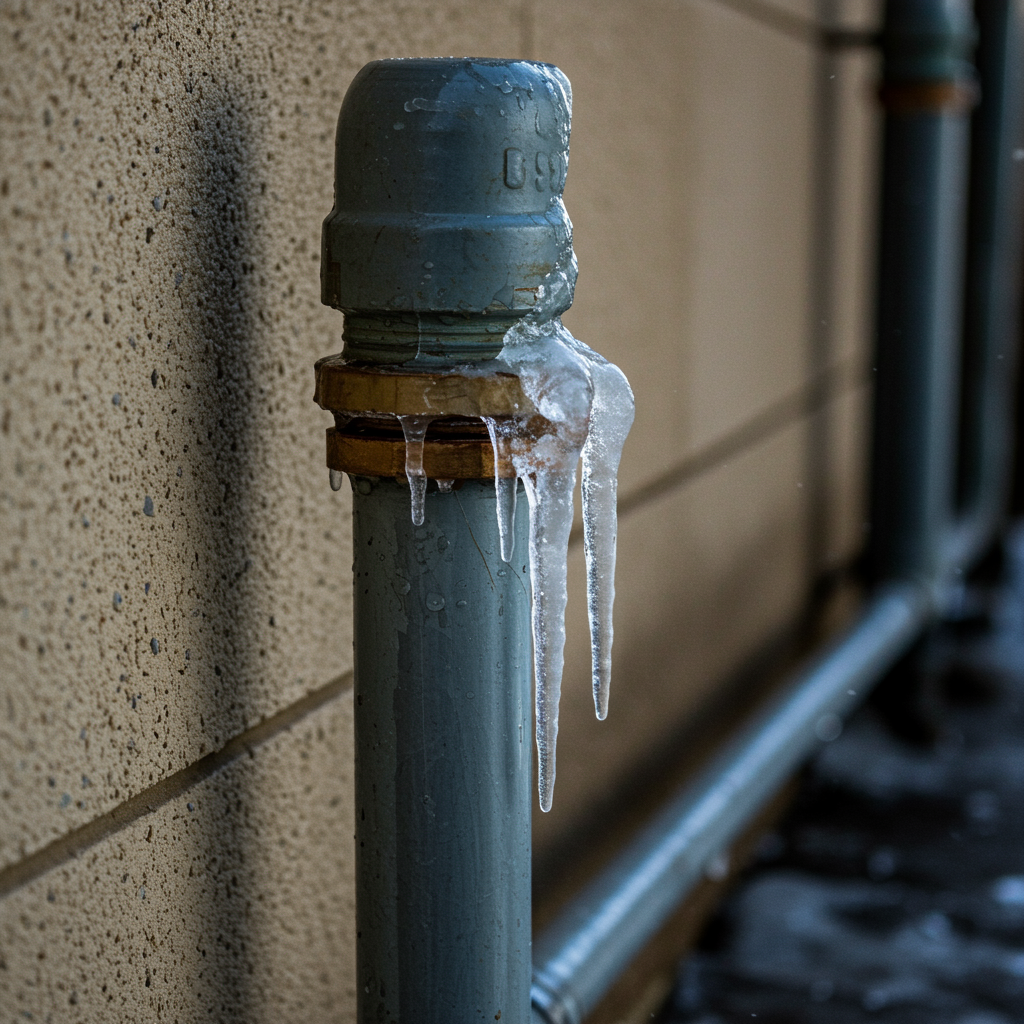
Snow melt doesn’t always mean consistently warm weather. Overnight refreezing can cause expansion inside pipes.
Freeze-thaw cycles may result in:
-
Cracked outdoor spigots
-
Split underground water lines
-
Hidden pipe leaks inside walls
Sometimes, damage isn’t noticeable until water pressure drops or you see stains on ceilings and walls.
Prevention Tips:
-
Inspect outdoor hose bibs
-
Disconnect hoses before winter ends
-
Monitor water pressure for sudden changes
Clogged Outdoor Drains and Downspouts
Melting snow mixed with leaves, ice, and debris can block outdoor drainage systems. When downspouts clog, water spills over and pools near your foundation — increasing the risk of basement plumbing problems.
Prevention Tips:
-
Clear gutters before a thaw
-
Extend downspouts at least 4–6 feet from the home
-
Check exterior drains for ice blockages
Stay Ahead of Snow Melt Plumbing Problems
Late winter and early spring are prime times for plumbing emergencies. A proactive inspection of your drainage and plumbing systems can save thousands in potential water damage.
When snow melt puts your home at risk, you want a professional who understands local weather challenges and delivers clear, reliable solutions. With Binsky Home , you’re choosing experienced plumbers who know how to protect your home before small issues turn into major repairs.
From sewer line inspections to sump pump checks and emergency plumbing service, Binsky Home is here to keep your home dry, safe, and running smoothly — because when it comes to protecting your home, Binsky’s My Guy.
Contact Binsky Home today or schedule online to keep your home powered safely and reliably.