
What to Do When Your Furnace Stops Working in Subzero Temps
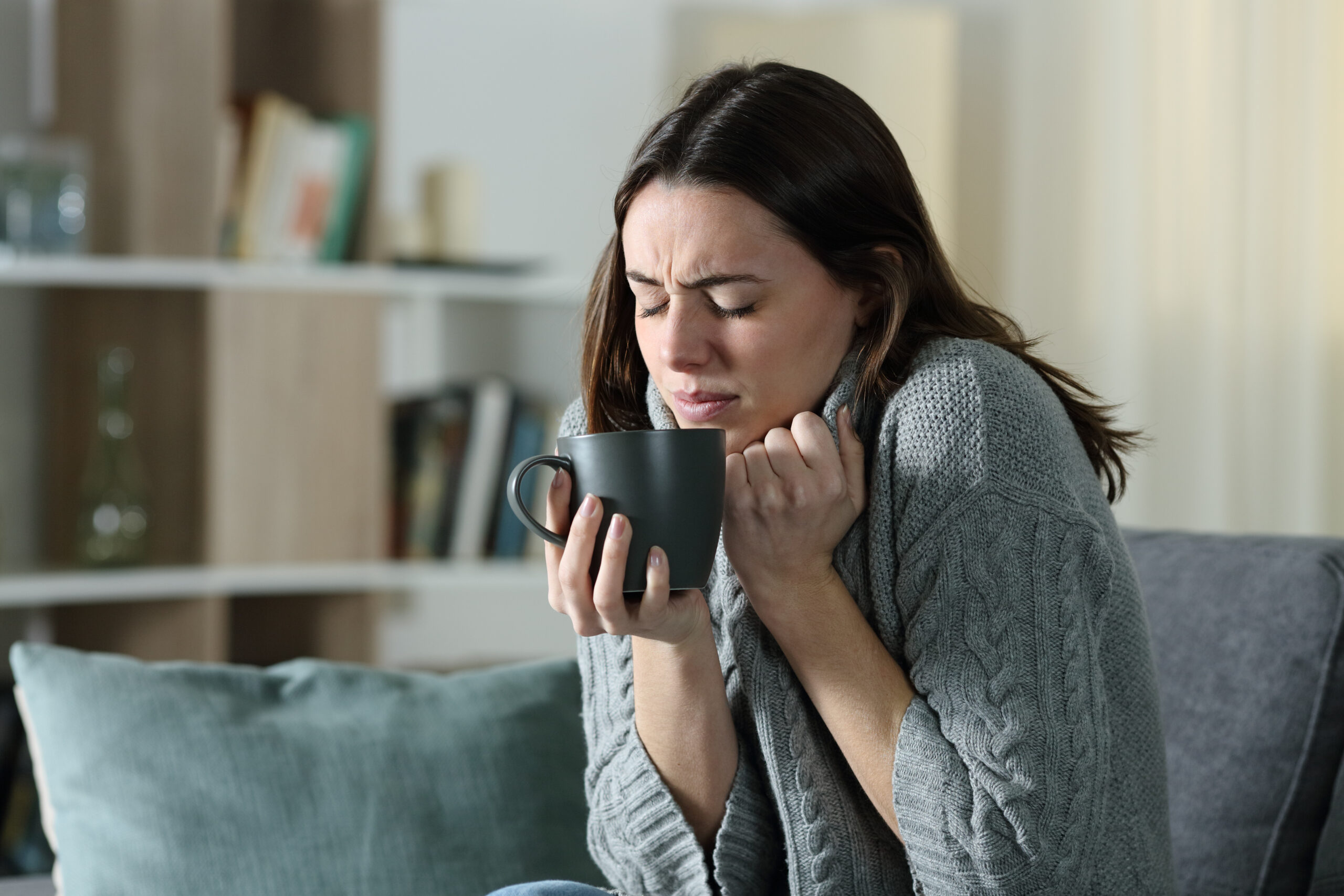
When temperatures dip below zero, your furnace isn’t just another appliance — it’s what keeps your home safe, warm, and livable. A sudden breakdown in extreme cold can feel overwhelming, uncomfortable, and even dangerous. Subzero conditions put serious strain on heating systems, and even a well-maintained furnace can struggle when the mercury plunges. If your heat goes out during freezing weather, knowing why it happens and what to do next can make all the difference. And when you need fast, reliable help to restore comfort, Binsky’s Your Guy — the team homeowners trust to show up when it matters most.
Why Furnaces Fail in Subzero Temperatures
Extreme cold can easily expose weaknesses in your system that will stay hidden during milder winter days. When outdoor temperatures drop well below freezing, your furnace will need to run longer cycles to maintain indoor comfort and keep you warm. That constant demand increases wear on components, such as igniters, blower motors, sensors, and control boards. Older systems that miss a routine maintenance session will feel the strain even more.
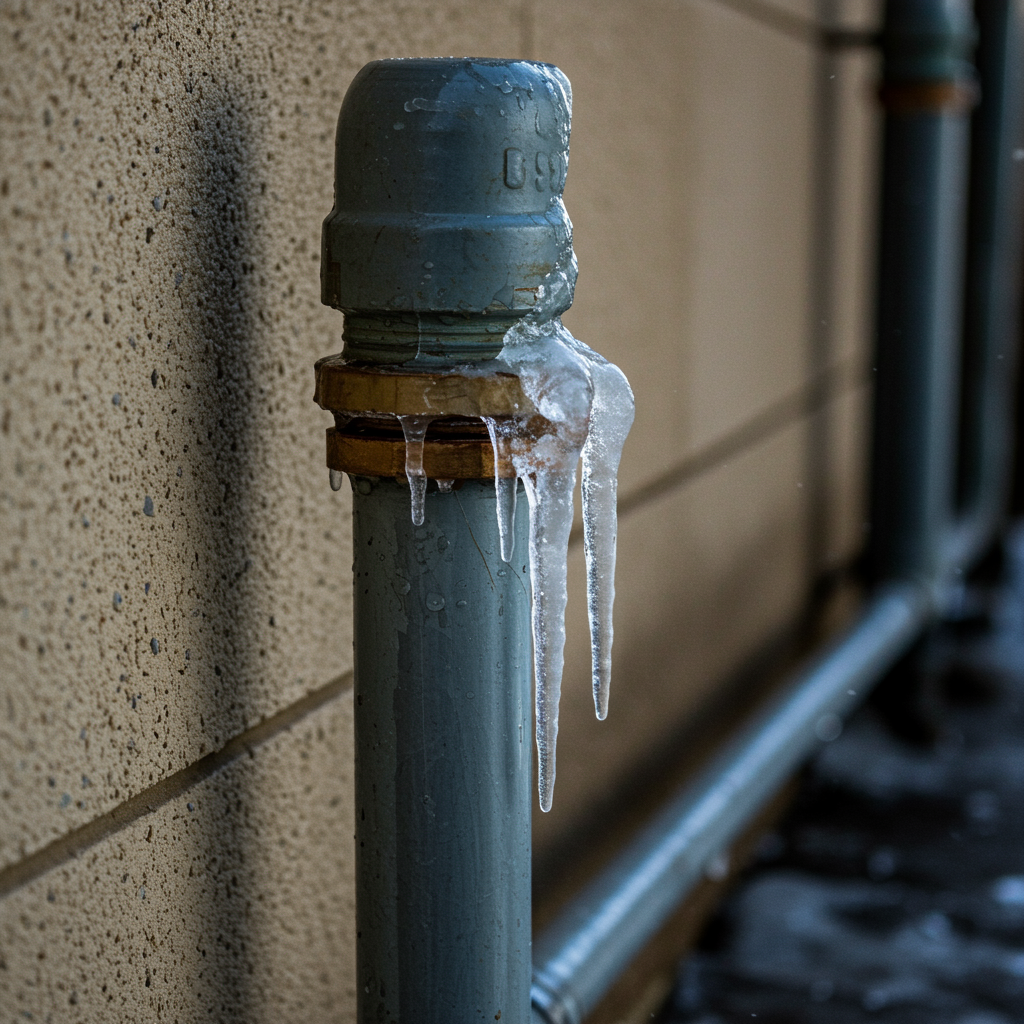
When temperatures are subzero, furnace problems tend to extend beyond the unit itself. Intake and exhaust pipes can freeze or clog with ice, cutting off proper airflow. Gas pressure regulators may struggle in the bitter cold, and condensation lines can freeze solid. Even electrical connections can contract in extreme temperatures, leading to intermittent failures.
Homes that rely on high-efficiency furnaces face additional challenges. These systems vent through PVC pipes that run outside of your home, which makes them vulnerable to ice buildup. When there is an airflow restriction, most systems have safety switches that will shut the system down to minimize damage and the risk of carbon monoxide getting into your home. While these safeguards will protect you, they can leave you with no heat at a very inconvenient time.
Immediate Steps to Stay Safe and Warm
When a furnace stops working during subzero conditions, safety comes first. Dress in warm layers and use blankets to help you retain body heat. Close doors to unused rooms to conserve warmth in the spaces that you are using. If you have a fireplace that is safe to use, it can provide temporary relief, but make sure that you follow proper ventilation guidelines.
Avoid using outdoor grills, propane heaters, or gas stoves for heat, as these can create serious hazards. If indoor temperatures drop to dangerously low levels, consider relocating to the home of a neighbor or a warming center until repairs on your heating are complete. When a home loses heat, pipes can freeze quickly. Make sure to keep cabinet doors open under your sinks to allow warmer air to circulate around the pipes. If temperatures approach freezing indoors, allow your faucets to drip slightly to reduce pressure in the lines.
Quick Troubleshooting Before Calling a Technician
Some no-heat troubleshooting steps are safe for you to attempt and may restore heat quickly. If these checks do not resolve the issue, stop and contact a professional from our team to avoid further damage.
Check the Thermostat
Start by confirming that the thermostat is set to “heat” and that the temperature setting sits above the current room temperature. Weak batteries can cause communication issues, especially during cold snaps. Replacing batteries takes only a moment and can solve the problem immediately. If you use a smart thermostat, make sure it maintains a stable Wi-Fi connection and does not show error messages.
Inspect the Furnace Filter
A clogged filter restricts airflow and can cause the furnace to overheat and shut down. Subzero conditions often reveal filter issues because the system runs longer than usual. Slide the filter out and inspect it under good lighting. If it appears dirty or blocked, replace it with the correct size and rating. This simple step can help restore airflow and prevent repeated shutdowns of your system. You can find additional filter and system care guidance in our maintenance tips.
Look for Frozen Intake or Exhaust Pipes
High-efficiency furnaces rely on outdoor pipes for combustion air and exhaust. Ice, snow, or frost can block these pipes during extreme cold. Carefully check outside for visible obstructions. Remove snow buildup and gently clear ice if it is accessible and safe to do so. Never use sharp tools or apply excessive force, as this can crack the piping. If freezing continues to occur, one of our technicians may need to adjust pipe placement or insulation. You can learn more about airflow-related issues through our heat pump troubleshooting and furnace diagnostics resources.
Check Circuit Breakers and Power Switch
A tripped breaker or switched-off furnace disconnect can mimic a major system failure. Inspect your electrical panel for tripped breakers and reset them once. Many furnaces also have a service switch nearby that resembles a light switch. Make sure it remains in the “on” position. If a breaker trips again, stop troubleshooting and call for emergency HVAC repair.
When to Call for Emergency Furnace Repair
Some furnace problems signal an urgent need for professional service, which is why it helps to keep our number on hand in case of an emergency. Make sure that you stop troubleshooting and call for help if you notice any of the following:
- No heat after trying basic troubleshooting, including thermostat, filter, and breaker checks
- Strange smells, smoke, or loud noises, which may indicate electrical failure or combustion issues
- Frequent short cycling or system shutdowns, especially during extended cold periods
- Ice or frost forming inside your home, around vents, pipes, or furnace components
These signs often point to serious subzero furnace problems that require trained technicians and specialized tools. At Binsky, our team can help get your heat working again. If you suspect a gas leak or carbon monoxide risk, leave the home immediately and contact emergency services before calling for HVAC assistance.
24/7 Emergency Heating Repair From Binsky
When winter weather strikes without warning, reliable emergency HVAC repair makes all the difference. Binsky offers 24/7 emergency heating service to restore warmth quickly and safely. Whether you need immediate furnace repair services, rapid diagnostics, or a temporary heating solution, trained technicians arrive prepared for harsh conditions.
Emergency service teams understand how subzero temperatures affect modern and older systems alike. They inspect venting, sensors, ignition systems, and safety controls while identifying underlying causes that may lead to repeated failures. For homeowners considering long-term solutions, our team of technicians can also discuss heating installation options that improve cold-weather reliability. Keeping access to emergency HVAC support on hand ensures peace of mind when winter pushes your system to its limits.
Stay Safe and Warm With Fast Furnace Repairs
When your furnace stops working during subzero weather, it’s more than an inconvenience. It creates safety risks, threatens plumbing, and disrupts daily life. While basic no-heat troubleshooting steps may solve minor issues, extreme cold often reveals deeper system problems. Prompt action protects your home, prevents costly damage, and restores comfort faster. At Binsky, we have more than 85 years of experience with making heating systems more efficient in subzero temperatures. Contact us today to schedule an appointment and prioritize your family’s comfort.