
Why Is My AC Not Blowing Cold Air? 7 Common Causes and Fixes
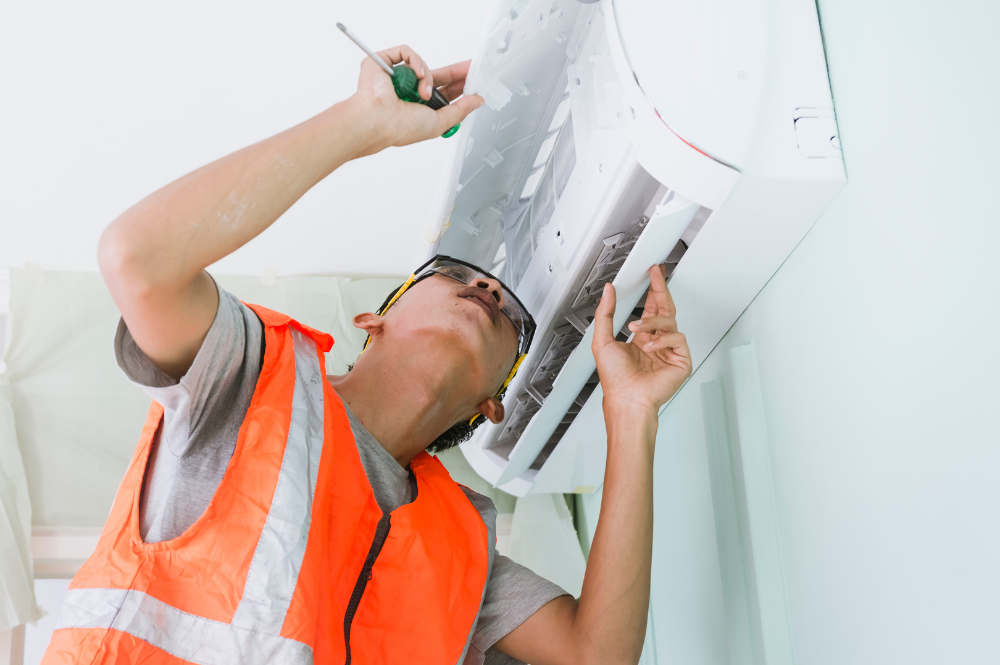
Why Is My AC Not Blowing Cold Air? 7 Common Causes and Fixes
You walk inside expecting relief, but instead your air conditioner is pushing warm air through the vents. It is a frustrating problem, especially during peak summer in Central New Jersey.
If you are asking why is my ac not blowing cold air, the issue usually comes down to airflow, refrigerant, or system performance. Some problems are simple. Others need a trained eye.
Key Takeaways
-
A clogged air filter is one of the most common culprits
-
Refrigerant leaks and frozen evaporator coils can stop cooling
-
Electrical issues like a tripped breaker can shut the system down
-
Outdoor unit blockages can prevent heat from escaping
-
Regular maintenance helps keep your AC working properly
1. Clogged or Dirty Air Filter
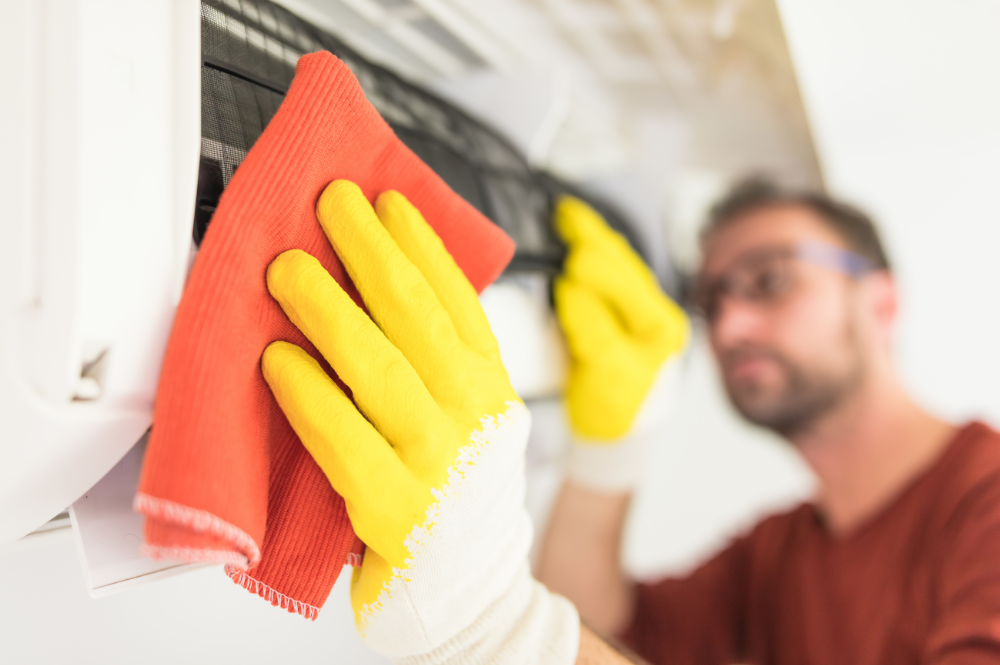
A dirty air filter is the most frequent reason an AC will stop blowing cold air. When filters become clogged, they restrict airflow and reduce your system’s ability to circulate cool air.
This reduced airflow can also cause your evaporator coil to freeze, which blocks the cooling process entirely. Replacing dirty filters every 1 to 3 months helps maintain proper airflow and keeps your system running efficiently.
2. Low Refrigerant or a Refrigerant Leak
Refrigerant is essential to the cooling process. It moves through the refrigerant lines, absorbing heat from indoor air and releasing it outside.
If your system has a refrigerant leak, it cannot complete this cycle properly. You may notice your AC unit blowing warm air or struggling to cool your home. This is not a DIY fix; a professional HVAC technician is needed to locate the leak and recharge the system.
3. Frozen Evaporator Coils
Your evaporator coil plays a key role by absorbing heat as air passes over it. When airflow is restricted or refrigerant levels are low, frozen evaporator coils can form.
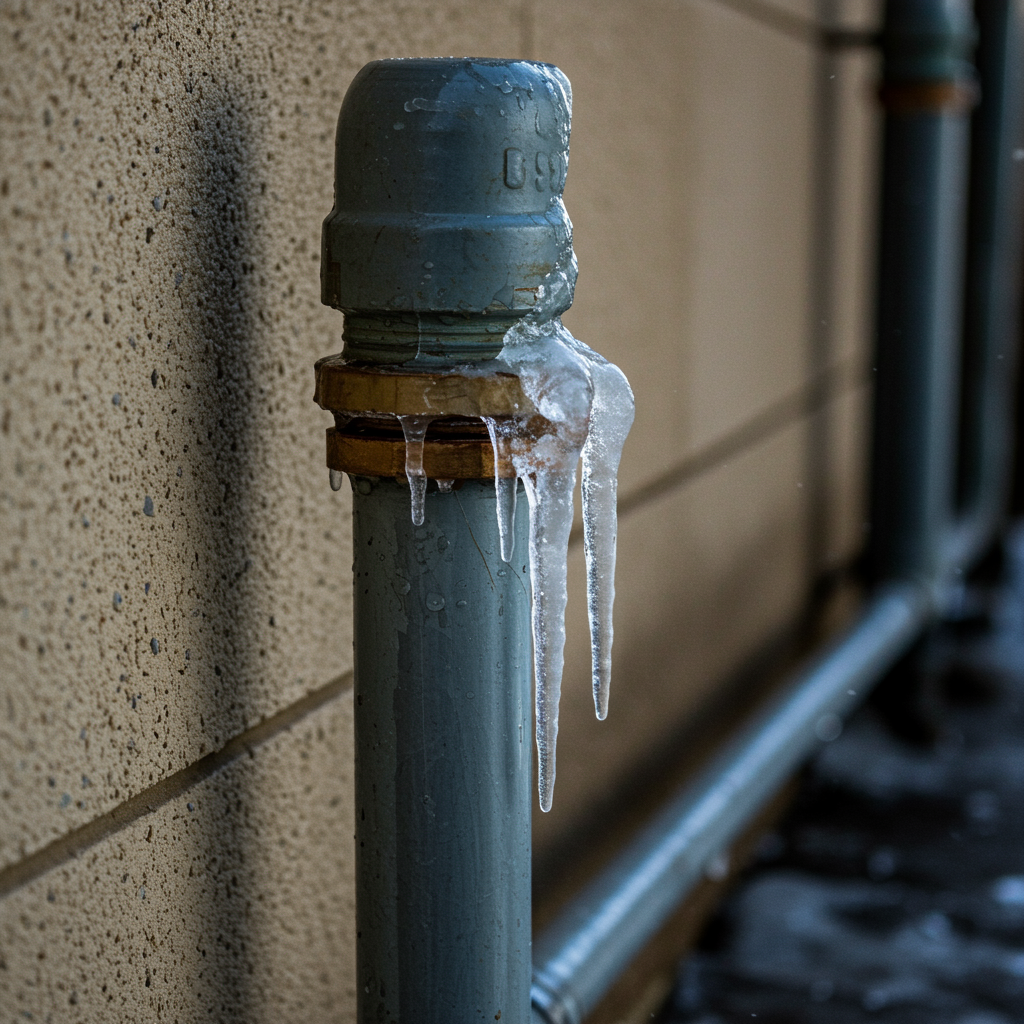
Once frozen, the system cannot absorb heat effectively, which leads to warm air coming from your vents. If you see ice buildup, turn off your system and allow it to thaw completely before calling for service.
4. Thermostat Issues or Incorrect Settings
Sometimes the issue is not the AC system itself. Incorrect thermostat settings or a malfunctioning thermostat can prevent proper cooling.
Make sure your thermostat is set to “cool” and the temperature is lower than the current room temperature. A malfunctioning thermostat can cause uneven cooling or prevent the system from turning on at all.
5. Outdoor Unit Problems
Your outdoor condenser unit is responsible for releasing heat from your home. If it is blocked by dirt, grass clippings, or other debris, it cannot release heat efficiently.
When heat gets trapped, your system may start blowing warm air instead of cool air. Keeping the outdoor unit clear and gently hosing off buildup can help restore proper function.
6. Electrical Issues or Power Problems
Electrical problems can stop your system from working properly. A tripped breaker, blown fuse, or issue at the electrical panel can cut power to your HVAC unit.
If your system suddenly stops working or will not turn on, check your circuit breaker first. If the issue continues, it is best to call a professional to safely inspect the system.
7. Aging System or Compressor Problems
Your AC system relies on the compressor to move refrigerant through the system. The compressor turns refrigerant into a high-pressure gas, which then travels through the condenser coils to release heat.
If the compressor fails, the entire cooling process breaks down. In older systems, this may lead to frequent repairs or the need for a full replacement.
How Your AC Actually Cools Your Home
It helps to understand what should be happening behind the scenes. Your air conditioning system follows a continuous cycle:
-
The compressor pressurizes refrigerant into a gas
-
The gas releases heat through the condenser coils
-
The refrigerant cools and becomes a liquid
-
It moves to the evaporator coil and absorbs heat from indoor air
-
The blower pushes cooled air back into your home
When any part of this process is interrupted, your AC stops cooling effectively.
For more on energy-efficient cooling systems, you can reference the U.S. Department of Energy.
When to Call for AC Repair in Somerset, Piscataway, or Edison
Some issues, like a clogged filter, are easy to fix. Others, like compressor problems or refrigerant leaks, require professional service.
If your AC is blowing warm air, not functioning properly, or struggling to keep up with demand, it is time to call for AC repair near you. A trained technician can identify the root cause and prevent further damage to your system.
Getting Your Home Cool Again
Air conditioning problems rarely improve on their own. What starts as reduced airflow or uneven cooling can quickly turn into a full system failure.
At Binsky Home Service, we have helped homeowners across New Jersey restore comfort for over 85 years. Our team understands how to diagnose complex issues and deliver reliable solutions that last.
If your AC is not blowing cold air anymore, contact Binsky Home Service today to schedule your repair and get your system back to working properly.
FAQs
Why is my AC blowing warm air instead of cold air?
Warm air usually points to airflow issues, low refrigerant, or problems with the outdoor unit. A professional HVAC technician can inspect your system, identify the cause, and restore proper cooling.
Can a clogged air filter really stop my AC from cooling?
Yes. A clogged or dirty air filter can restrict airflow and even cause frozen coils. Replacing filters regularly helps maintain proper airflow and supports efficient system performance.
What should I check before calling for AC repair?
Start by checking your thermostat settings, air filter, and circuit breaker. If your system still is not working properly, it is best to schedule professional service to avoid further damage.
How often should I schedule AC maintenance?
Annual maintenance is recommended to keep your system running efficiently. Regular inspections help extend the life of your equipment and prevent unexpected breakdowns.
When should I call a professional HVAC technician?
If you notice refrigerant leaks, electrical issues, or ongoing performance problems, it is time to call a professional. Complex issues require proper tools and expertise to fix safely and correctly.