If you live in New Jersey or Eastern Pennsylvania, you already know how much the weather can swing from one season to the next. Humid summers, icy winters, and a few unpredictable weeks in between all take a toll on your comfort and your energy bills.
Adjusting your thermostat is one of the easiest ways to save money, lower your energy bill, and take some strain off your heating system and AC. So what’s the best thermostat temperature for your home in each season? And how do you find the right temperature for both comfort and efficiency?
Let’s walk through the ideal home temperature for every season, plus a few energy-saving tips and health considerations that work all year long.
Key Takeaways
- The best house temperature for winter is around 68°F when you’re home and awake, with a 7 to 10 degree setback at night or while you’re away.
- The best AC temperature for a summer home is 78°F while you’re there and 85°F or higher when the house is empty.
- In spring and fall, settings between 65°F and 72°F usually keep things comfortable with less work for your system.
- Most people sleep best in a cooler bedroom, since your body temperature drops naturally at night.
- Turning your thermostat back 7 to 10 degrees for about 8 hours a day can save up to 10% a year on heating and cooling.
- Insulation, windows, sunlight, humidity, and the people living in your home all affect the best temperature for your home.
- A smart thermostat, paired with regular HVAC maintenance, makes efficient settings easy to stick with.
Trust Binsky for Home Comfort Tips
For over 85 years, Binsky Home Service has helped families across New Jersey and Eastern Pennsylvania stay comfortable at home. We’ve spent decades in local basements, attics, and utility closets, so we know what it takes to keep a Northeast home cozy in January and cool in July without letting energy costs climb.
Need help programming your thermostat or thinking about a smart system upgrade? Our licensed, background-checked technicians can walk you through your options and help you make efficient choices that fit your home and budget. With honest advice, upfront pricing, and same-day service options, Binsky’s your guy for long-term comfort and reliable support.
Best Thermostat Settings for NJ & the Northeast
There’s no single ideal room temperature for every household. The best thermostat temperature for your home depends on the season, your daily schedule, and even how well your house holds heat. That said, these general guidelines help most people in our area find a comfortable temperature.
Best Temperature for Home in Winter
The U.S. Department of Energy recommends setting your thermostat to 68°F in winter while you’re home and awake. For most families, that’s the best home temperature for winter because it keeps rooms comfortable while holding heating bills in check, especially when you dress in warm layers and let good insulation do some of the work.
At night or when everyone’s out of the house, lowering the temperature 7 to 10 degrees can noticeably reduce your heating bills. Your body temperature drops naturally as you fall asleep, so a cooler bedroom often helps you sleep better too. Many local homeowners set it around 60°F to 62°F while sleeping or away during the day. Extra blankets or a hot water bottle add warmth without needing to raise the thermostat, and a programmable or smart thermostat can warm the house back up before you wake.
If your home uses a boiler and radiators, keep in mind that these systems heat up and cool down more slowly than forced air. Smaller setbacks of a few degrees often work better, so your house isn’t playing catch-up all morning.
Winter is also the time to think about safety. Have your heating system inspected before the cold sets in, test your carbon monoxide detectors, and never use an oven or stove to heat your home, since it can release harmful carbon monoxide into the air.
Best Temperature for Home in Summer
The best AC temperature for a summer home is 78°F while you’re there. It might sound a little warm at first, but it eases your air conditioner’s workload and keeps energy use under control. Ceiling fans set to spin counterclockwise can make 78°F feel several degrees cooler without touching the thermostat. Just remember that fans cool people, not rooms, so switch them off when you leave.
When nobody’s home, set the thermostat to 85°F or higher. There’s no reason to cool an empty house, and a programmable thermostat can bring the temperature back down shortly before you walk in the door. Closing blinds on windows that get strong afternoon sunlight also keeps rooms cooler and helps your AC keep up on the hottest days.
Best Temperature for Spring & Fall
Spring and fall in NJ and PA can bring a chilly morning and a warm afternoon on the same day. When it’s pleasant outside, open the windows and give your HVAC system a break. When you do need heating or cooling, a setting close to the outdoor temperature reduces strain on your equipment. Most homeowners find somewhere between 65°F and 72°F comfortable this time of year.
These milder months are also the ideal time to schedule a heating system tune-up, so your system is ready before the first heat wave or cold snap.
How to Save Energy with Home Thermostat Settings
Small, well-timed thermostat adjustments add up over time. Here are a few ways to get more efficiency out of the settings you already use:
- Lower the temperature at night: Your body naturally cools down as you sleep, so turning the heat down in winter (or the AC up in summer) won’t cost you comfort.
- Adjust the temperature when you’re away: According to the Department of Energy, turning your thermostat back 7 to 10 degrees for about 8 hours a day can save up to 10% a year on heating and cooling costs.
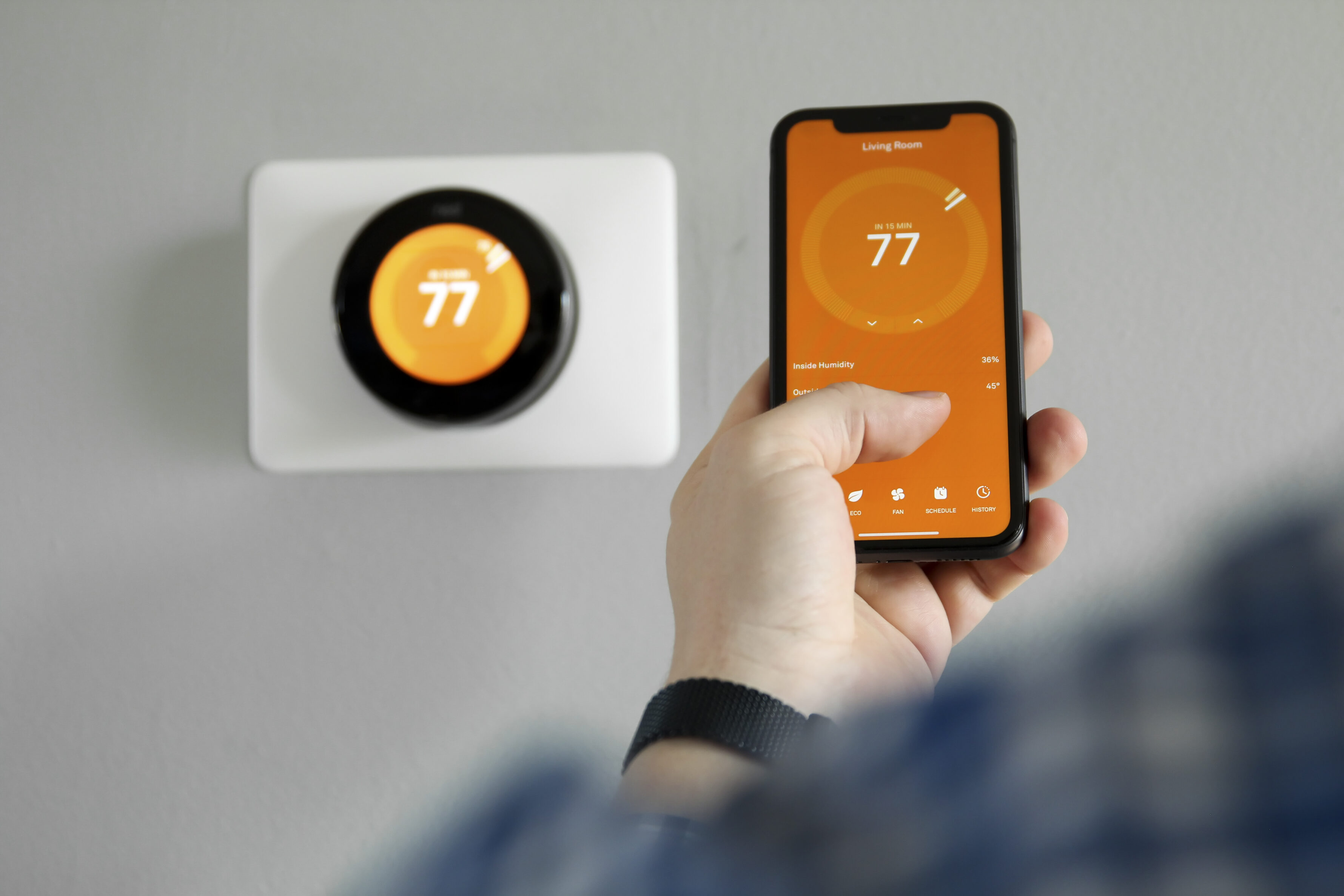
- Use a programmable or smart thermostat: Set a heating and cooling schedule that matches your routine. Smart thermostats can also learn your preferences and adjust on their own.
- Take advantage of zoning if you have it: Zoned systems give you control over different areas of your home separately, so you aren’t heating or cooling rooms nobody’s using.
Smart thermostats like Nest or Ecobee also provide energy reports and usage trends that make it easier to spot extra savings. Many work with voice assistants and phone apps, so you can adjust the temperature at the office, at the grocery store, or on the sidelines at your kid’s soccer game.
Factors That Affect the Best Home Temperature in NJ & PA
Recommended settings are a great starting point, but every house behaves a little differently. These factors can change the best temperature for your home:
- Home insulation: Well-insulated walls, attics, and roofs hold heat better in winter and keep the house cooler in summer.
- Windows and doors: Drafty windows and doors let warm air escape, which can make a room feel colder or warmer than the thermostat reading.
- Sun exposure: Rooms with direct afternoon sunlight often run warmer than shaded parts of the house.
- Humidity: Damp air feels colder in winter and stickier in summer. Keeping indoor humidity between 30% and 50%, and running the bathroom exhaust fan after showers, helps any room temperature feel more comfortable.
- Floors and room location: Basements, rooms over garages, and spaces with tile floors often feel cooler than the rest of the house.
- Personal comfort: Everyone has a different tolerance for temperature. What feels chilly to one person may feel just right to another.
- Health conditions: Babies, older adults, and people with certain medical needs may need steadier indoor temperatures. Cold rooms can raise blood pressure and put extra strain on the body, so in these homes, health and safety come before savings.
If one room always feels too hot or too cold no matter where you set the thermostat, it’s worth a closer look. Uneven temperatures can point to airflow issues, ductwork problems, or an aging system.
Comfort vs. Energy Savings: Striking the Balance for Ideal Room Temperature
Good thermostat management comes down to finding the ideal temperature that keeps everyone comfortable without wasting energy. A few degrees can make a real difference in your utility bill and in how long your HVAC system lasts. It may take some trial and error to find your household’s sweet spot, but once you do, you’ll enjoy improved comfort, fewer repairs, and lower monthly costs.
As a general rule, aim to:
- Stay within energy-saving ranges (about 68°F in winter and 78°F in summer)
- Adjust for your lifestyle and schedule
- Use ceiling fans, curtains, and weatherstripping to help regulate indoor temperatures
Pair these small habits with professional heating services and regular HVAC maintenance, and your system can keep running smoothly for years to come.
Improve Comfort & Efficiency with Binsky
Binsky Home Service offers a full range of HVAC services to help you maintain the best home temperature all year. Our team can install and program a smart thermostat so your settings run on autopilot, and our heating and AC maintenance keeps your equipment working efficiently every season.
We also offer the Binsky Home Partner Plan, which includes annual heating and cooling maintenance, priority scheduling, repair discounts, and more. It’s one of the easiest ways to keep your system performing at its best and protect your investment.
Get Year-Round Comfort in NJ & PA with Binsky
Your thermostat is the control center of your home’s comfort, and using it wisely has a real impact on how your house feels and what you pay each month. If your thermostat needs a repair, you’re ready for a new smart model, or your heating and cooling system is due for an upgrade, Binsky’s your guy.
Ready to optimize your comfort and efficiency? Schedule service with Binsky Home Service today for expert thermostat solutions in NJ and PA!