If your furnace is on its last leg or you’re planning a new heating and cooling setup, you’ve probably run into this question already: heat pump vs furnace, which one actually makes sense for your New Jersey or Eastern Pennsylvania home? Both can keep you warm through winter, but they get there through completely different processes, and that difference affects your energy bills, your comfort, and how your home handles those really cold outdoor temperatures.
Key Takeaways
-
Furnaces generate heat by burning fuel or using electric resistance, while heat pumps transfer heat from outdoor air into your home
-
Heat pumps can deliver 3 to 5 times more heat energy than the electrical energy they consume, making them highly energy efficient
-
A heat pump system handles both heating mode and cooling mode, working as your heating system and air conditioner in one
-
Modern heat pumps can operate efficiently even in low outdoor temperatures, though many homes pair them with a dual fuel system for extra backup
-
The right choice depends on your climate exposure, insulation, existing ductwork, and long-term energy goals
How Furnaces and Heat Pumps Actually Work
A gas furnace generates heat through burning fuel, typically natural gas, propane, or oil, then uses heat exchangers to warm air before pushing it through your ductwork. It’s a straightforward process built for one job: producing hot air quickly, which is why traditional gas furnaces have been the standard choice in colder climates for generations.
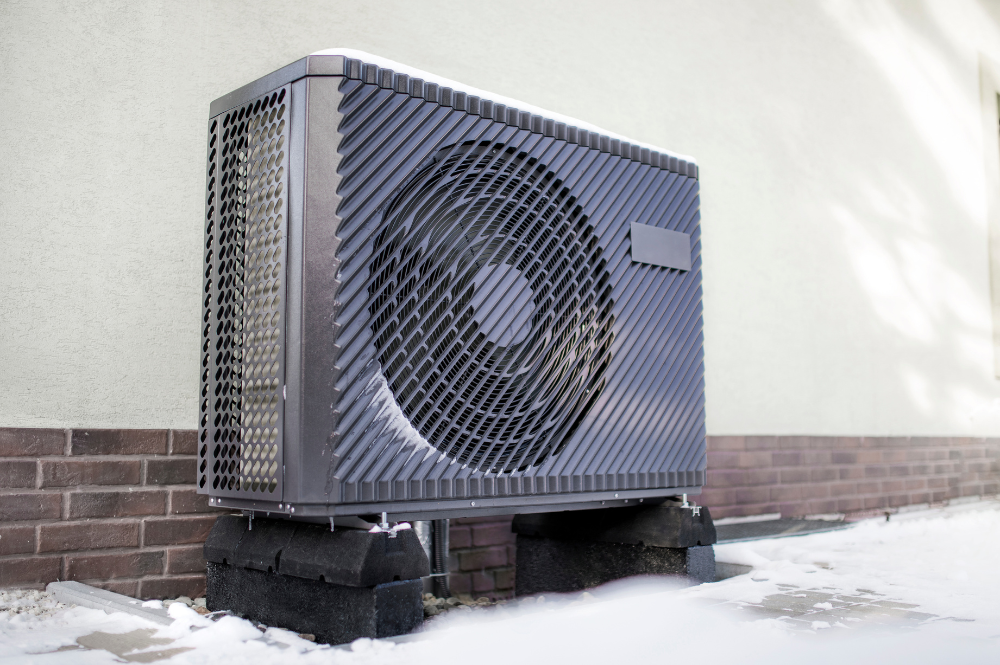
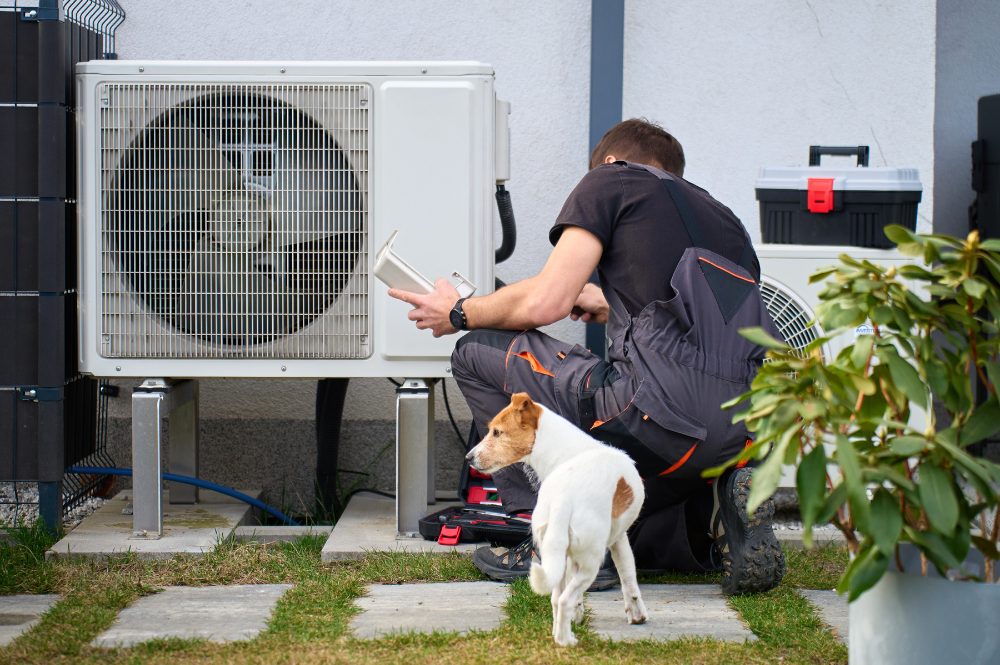
Air source heat pumps work through an entirely different process called heat exchange. Instead of burning fuel to create heat, the outdoor unit extracts heat from the outdoor air, compresses it to raise the temperature, and moves that heat indoors. In summer, the system reverses the process, pulling heat out of your home and releasing it outside, which is the same process a central AC uses. That’s why so many homeowners researching heat pump vs air conditioner options end up realizing a heat pump can actually replace both pieces of equipment.
Energy Efficiency: Where Heat Pumps Tend to Win
Energy efficiency is one of the biggest reasons homeowners make the switch to electric heat pumps. Because the system is moving heat rather than generating it, it can reach 200% to 400% efficiency, delivering far more heat energy than the electrical energy it uses. Furnace efficiency, by comparison, is measured by AFUE, and even high efficiency gas models top out around 98%, since they’re limited by how much heat they can generate from the fuel they burn.
Heat pump efficiency is also rated using COP or HSPF2 for heating performance and SEER for cooling performance, with some modern heat pumps reaching a SEER rating of up to 24. In moderate climates, that efficiency translates directly into lower operating costs and a noticeable dip in monthly energy use, which can significantly impact average heating costs in Pennsylvania once the system is up and running.
Where Furnaces Still Make Sense
Furnaces aren’t going anywhere, and for good reason. A gas furnace can generate strong, consistent heat regardless of how far outdoor temperatures drop, which makes it a dependable option for homes in regions with prolonged stretches of cold weather. Furnaces also tend to come with a lower installation cost upfront, especially if your ductwork and gas line are already in place.
Cold Weather Performance and the Dual Fuel Option
One of the biggest misconceptions about heat pumps is that they can’t handle real winter weather. That’s changed. Modern heat pumps can operate efficiently down to around -15°F, which covers the vast majority of winter days in New Jersey and Eastern Pennsylvania without issue.
That said, some homeowners still prefer the extra security of a dual fuel system, which pairs a heat pump with a backup gas furnace. The heat pump handles heating and cooling for most of the year, since it’s more energy efficient, and the furnace kicks in only during the coldest snaps when it can outperform the heat pump on raw heating power. It’s a setup that gives you the cost savings of a heat pump system with the backup of traditional gas heat when temperatures really drop.
Emissions, Air Quality, and Environmental Impact
If lowering your home’s environmental impact matters to you, this is worth factoring in. Heat pumps produce no direct emissions at the point of use, since they run on electricity instead of burning fuel. Compared to gas-fired furnaces, heat pumps can reduce CO2 emissions by more than 45%, and because they don’t rely on combustion, there’s no carbon monoxide risk from the unit itself.
Heat pumps also tend to support better indoor air quality, since they’re not introducing combustion byproducts into your home’s air during space heating. For homeowners weighing climate change concerns alongside comfort and cost, that’s often a meaningful factor.
Heat Pump Installation: What Homeowners Should Know
Heat pump installation involves a bit more planning than a straight furnace swap, particularly if you’re moving away from a traditional gas heating system. Proper sizing matters here more than almost anything else. An undersized heat pump will struggle to keep up with your home’s heating demands on the coldest days, while an oversized one can short cycle and wear down faster than it should.
Your technician will look at your home’s insulation, square footage, existing ductwork, and electrical capacity before recommending a new heat pump. Installation cost can run higher than a standard furnace replacement, but many homeowners find it’s a smart investment once they factor in lower monthly operating costs, potential tax credit savings, and the added benefit of year-round cooling from the same system.
Maintenance and Lifespan
Heat pumps generally require less maintenance than traditional furnaces and can last 15 to 20 years with proper upkeep. Furnaces typically last anywhere from 15 to 30 years depending on the type and how well they’re maintained. Either way, regular heating maintenance in NJ and eastern PA goes a long way toward keeping your heating and cooling system running efficiently and catching small issues before they turn into expensive repairs.
So, Which One Makes More Sense for Your Home?
There’s no universal answer here, and that’s exactly why it’s worth looking at your specific home rather than following a blanket recommendation. A few questions worth asking:
-
How well insulated is your home, and how low do outdoor temperatures typically drop?
-
Do you already have gas service, or would you need to add it?
-
Are you trying to lower your local utility bills, reduce your environmental impact, or both?
-
Would you rather have one system that provides heating and cooling, or separate equipment for each?
-
Does a dual fuel setup make sense for your comfort and budget?
A quick conversation with a trained technician clears up most of this fast, especially once someone’s actually looked at your ductwork, insulation, and home layout instead of guessing over the phone, and they can also recommend energy‑saving tips to keep your home warm without driving up your winter bills.
Frequently Asked Questions
Is a heat pump cheaper to run than a gas furnace?
In most moderate climates, yes. Because heat pumps move heat instead of generating it, they typically offer lower operating costs than a traditional gas furnace, especially as fuel prices fluctuate.
Can a heat pump system replace my furnace and air conditioner at the same time?
Yes. A heat pump handles both heating mode and cooling mode, so many homeowners use it to replace two aging systems with one.
Do heat pumps work in cold weather climates like New Jersey and Eastern Pennsylvania?
Modern heat pumps can operate efficiently even at low outdoor temperatures, and many homeowners pair them with a dual fuel system for extra backup during the coldest stretches of winter.
How long does heat pump installation take?
Most installations are completed in one to two days, depending on whether ductwork or electrical upgrades are needed.
Will switching to electric heat pumps increase my electric bill?
Your electricity use may go up while fuel costs for gas heating go down. Most homeowners see overall cost savings once both are factored in together, especially with a properly sized, high efficiency system.
Not sure whether a heat pump or furnace makes more sense for your home? Give us a call. Our team will walk through your insulation, ductwork, and comfort goals, then give you an honest recommendation, not just a sales pitch. Binsky’s your guy.