If you’ve started researching a new air conditioner or heat pump, you’ve probably run into the term SEER2 more times than you can count. It’s on every spec sheet, in every quote, and in just about every ad you’ll see this summer. But most homeowners never get a straight answer about what is seer rating actually and what a good number looks like for their own home.
Here’s the short version. SEER2 measures how much cooling output your system delivers for the electric energy it uses. For most New Jersey homes, a SEER2 rating between 15.2 and 17 hits the sweet spot between upfront cost and long-term energy savings. The right number for your house depends on a few things we’ll walk through below.
Key Takeaways
-
SEER stands for Seasonal Energy Efficiency Ratio, and SEER2 is the updated version of that same measurement
-
A good SEER2 rating for most New Jersey homes falls between 15.2 and 17
-
Higher SEER ratings apply to both air conditioners and heat pumps, including split system heat pumps
-
More efficient units can lower cooling bills by 30% or more compared to older equipment
-
The right rating depends on home size, insulation, ductwork, and how much you run your AC or heat pump
-
A local comfort specialist can help you weigh the higher upfront cost against real cost savings over time
What Does SEER2 Mean?
Seasonal Energy Efficiency Ratio, or SEER, measures how efficiently a cooling system performs over a typical cooling season rather than in a single moment. SEER2 is the updated version of that same energy efficiency ratio, officially replacing SEER on January 1, 2023, with stricter testing protocols that better reflect how air conditioners and heat pumps actually perform once they’re installed in a real house with real ductwork.
The easiest way to picture it is your car’s fuel economy. A vehicle with better gas mileage travels farther using less fuel. A cooling system with a higher SEER2 rating produces the same cooling output while using less electric energy to do it. That’s the entire idea behind system efficiency: more comfort, less energy consumption.
Why Did SEER Become SEER2?
The new SEER2 testing accounts for higher external static pressure, meaning it measures performance against the kind of resistance air actually faces moving through ducts, filters, and vents rather than ideal lab conditions. Because of that stricter testing, SEER2 ratings typically run about 4.5% lower than SEER ratings for a comparable system.
So if your last system was rated 16 SEER, its SEER2 equivalent would land closer to 15.2. The equipment isn’t any less efficient. The way we measure efficiency just got more accurate.
The Department of Energy sets these minimum standards for all newly manufactured residential systems, and required minimums can vary somewhat by region, so it’s worth confirming the correct baseline for New Jersey when you’re comparing quotes.
So What Counts as a Good SEER2 Rating?
There’s no single number that fits every home, but here’s how it generally breaks down for homeowners in our area.
The current minimum SEER2 rating for new central air conditioners and heat pumps installed in our region is 14.3. That’s the baseline, not something to aim for.
Systems in the 15.2 to 17 SEER2 range are considered efficient units for most households. Moving from a 14 SEER2 system up to 16 SEER2, for example, can improve efficiency by roughly 12.5%, a meaningful jump without the steep price increase of premium, high-end equipment.
Systems above 18 SEER2, sometimes reaching 20 or more, fall into the ultra high-efficiency category. A 20 SEER2 unit is roughly 43% more efficient than a 14 SEER2 unit, which is worth knowing if you run your air conditioner or heat pump heavily, plan to stay in the home for many years, or want the most consistent cooling and precise temperature control available.
For a typical 2,000 to 2,500 square foot New Jersey home, most of our comfort specialists start the conversation around 15.2 to 16 SEER2 and adjust based on budget, household habits, and the specific cooling equipment already in place, including how overall new AC unit cost in NJ fits into your plans.
Does This Apply to Heat Pumps Too?
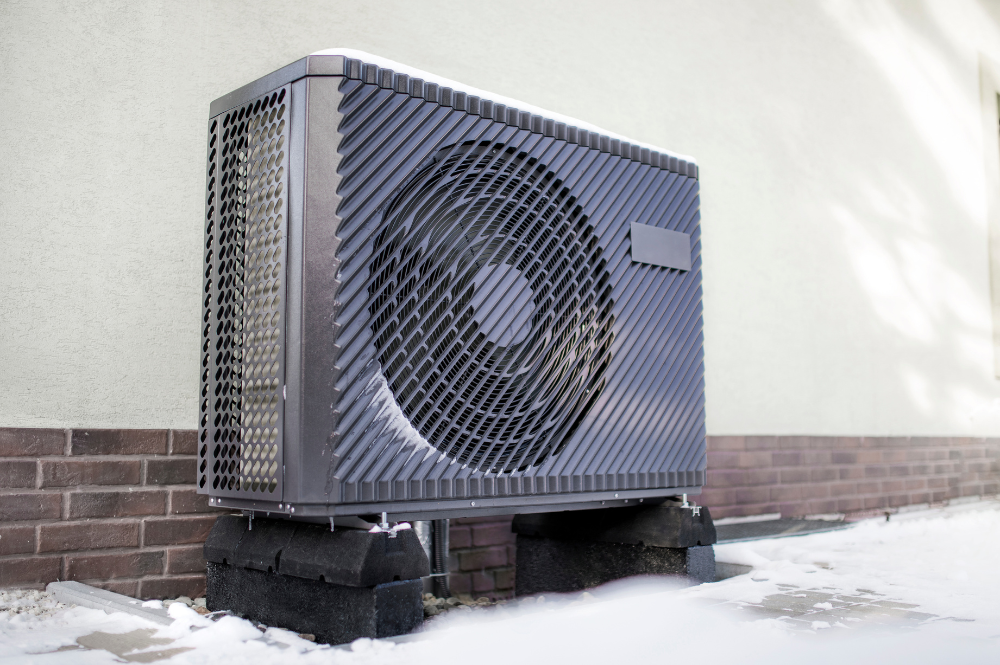
Yes. Heat pumps are rated using the same SEER2 scale for cooling, since a heat pump cools your home in summer the same way a traditional air conditioner does, using an indoor unit and an outdoor unit to move heat rather than generate it. S
plit system heat pumps, in particular, have become a popular energy efficient solution for New Jersey homeowners who want one system that handles both heating and cooling. When you’re comparing an ac unit against a heat pump, SEER2 is one of the best apples-to-apples numbers you have.
How Much Will a Higher SEER Rating Actually Save You?
Let’s put real numbers to it. If your current air conditioner or heat pump is 10 to 12 years old, it likely carries an older SEER rating well below today’s standards, often somewhere in the 10 to 13 range.
Upgrading from a system in that range to a 20 SEER2 unit can cut energy use by up to 50%. Even a more modest jump to the 15.2 to 16 SEER2 range typically lowers cooling costs enough to notice on your monthly energy bills, and over a system’s typical 15-year lifespan, those savings add up to real money. Since New Jersey electricity rates run above the national average, every bit of efficiency carries extra weight here.
It’s also worth asking your contractor whether your new system qualifies for any manufacturer rebates or federal tax incentives tied to energy efficient equipment, including those tied to programs like ENERGY STAR. Availability and requirements change, so this is worth conf
Does a Higher SEER2 Rating Mean Better Comfort Too?
Often, yes. More efficient systems, especially those with variable speed compressors, tend to run longer and gentler instead of shutting on and off in short bursts. That longer runtime does a better job pulling humidity out of the air and holding a more consistent indoor temperature no matter what the outdoor temperature is doing outside. Homeowners frequently tell us their home feels noticeably more comfortable at the same thermostat setting after an upgrade, along with quieter operation and fewer hot and cold spots between rooms.
Is the Highest SEER2 Rating Always Worth It?
Not necessarily. A 20+ SEER2 system looks impressive on paper, but it isn’t automatically the right investment for every household. If you’re settled into your home for the long haul and run your AC or heat pump constantly through New Jersey summers, dialing in the best home temperature setting for comfort and savings becomes just as important as choosing equipment, and the higher upfront cost can pay for itself. If you’re more moderate with your cooling habits or planning to move in a few years, a system in the 15.2 to 17 SEER2 range often delivers the better return on your investment.
The right choice comes down to your home’s size, insulation, ductwork condition, and how your family actually lives day to day. That’s worth a real conversation with someone who can evaluate your specific setup rather than guess from a spec sheet.
Let Binsky Help You Choose the Right System
Picking a SEER2 rating shouldn’t feel like guesswork. Our comfort specialists can evaluate your home, walk you through your air conditioner or heat pump options in plain language, and help you land on a heating and cooling system that balances comfort, efficiency, and budget the right way. If your equipment is 12 years or older, now’s a good time to start that conversation.
Schedule your in-home comfort evaluation with Binsky Home Service today.
Frequently Asked Questions
What is SEER rating?
SEER stands for Seasonal Energy Efficiency Ratio. It measures how much cooling a system produces over a typical cooling season compared to how much electric energy it uses to do it. The higher the number, the more efficient the system.
What’s the difference between SEER and SEER2?
SEER2 uses updated testing methods that better reflect real-world ductwork and airflow resistance. The ratings are close but not directly interchangeable, so a 16 SEER system from a few years ago isn’t quite the same as a 16 SEER2 system today.
What is the minimum SEER2 rating allowed in New Jersey?
The current minimum for new central air conditioners and heat pumps installed in our region is 14.3 SEER2.
Is a 15.2 SEER2 rating good?
Yes. It meets the updated efficiency minimum and represents a solid, dependable choice for most New Jersey homes, especially compared to older systems rated 10 to 13 SEER.
Do heat pumps use the same SEER2 scale as air conditioners?
Yes. Heat pumps are rated for cooling efficiency the same way central air conditioners are, which makes SEER2 a useful number for comparing the two side by side.
How do I know what SEER2 rating my home needs?
It depends on your square footage, insulation, ductwork, and cooling habits. An in-home evaluation is the most accurate way to get a recommendation built around your actual home instead of a generic estimate.