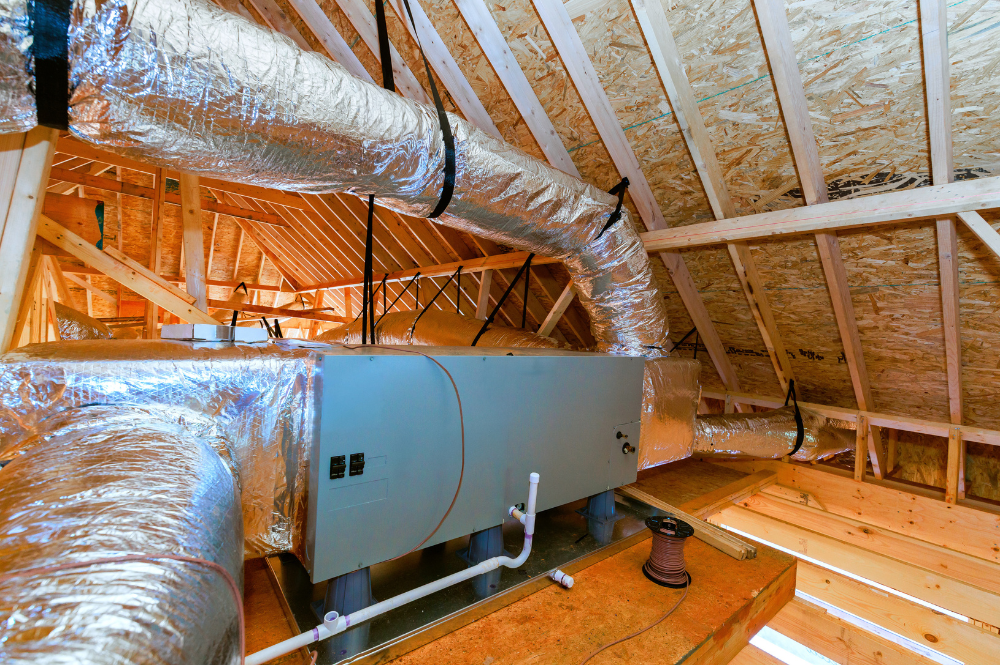
If you have ever climbed into your attic on a hot July afternoon, you already know how fast heat builds up in that space. Without proper ventilation, an attic can reach well over 160 degrees in the summer months, and all that trapped hot air pushes straight down through your attic ceiling into the rest of the house.
So do attic fans work to solve this problem? For most New Jersey and Eastern Pennsylvania homes, the answer is yes, as long as the attic is set up to support one.
Key Takeaways
-
Attic fans work by pulling hot, humid air out of the attic and drawing in cooler outdoor air through soffit vents, which can lower attic temperatures by up to 50 degrees and interior rooms by around 10 degrees.
-
Benefits include a cooler house, lower electricity bills, less strain on your air conditioning system, and a longer life for your roof shingles.
-
Attic fans work best alongside proper attic insulation, air sealing, and passive vents like ridge vents and soffit vents, not as a standalone fix.
-
Electric attic fans can create negative pressure in poorly sealed homes, which in rare cases may pull carbon monoxide back into the living space from a water heater or furnace, so correct installation matters.
-
A quick attic inspection from Binsky can tell you whether an attic ventilation fan makes sense for your specific home, or whether additional insulation and air sealing should come first.
How Attic Fans Actually Work
Heat rises, and in a house that means hot air collects at the highest point, your attic space, and radiates downward through the ceiling below it. An attic ventilation fan, sometimes called a powered attic ventilator, is mounted on the roof or gable wall and pulls that superheated, humid air out. As it does, cooler outside air gets drawn in through attic vents, usually soffit vents near the eaves, creating a natural flow of fresh air through the attic instead of stagnant heat.
Most electric attic fans run on a thermostat, kicking on automatically once the attic reaches a set temperature, often somewhere around 100 to 110 degrees, and shutting off once things cool back down. Some models add a humidistat too, so the fan also responds to moist air buildup, not just heat.
Solar powered fan options are popular in NJ and Eastern PA as well. These run off small solar panels mounted near the fan and use the sun’s energy instead of pulling from your home’s electrical system, which appeals to homeowners focused on energy efficiency. The tradeoff is that solar attic fans depend on direct sunlight, so they work hardest exactly when your attic needs it most, on bright, hot afternoons.
Attic Fan Benefits Homeowners Notice First
The most noticeable benefit is comfort. Homes with poor attic ventilation often have upstairs bedrooms that stay warm no matter how hard the air conditioner works, simply because hot air above is pushing down through the attic floor and ceiling. Removing that heat takes real pressure off your air conditioning system and helps your upstairs rooms feel like the rest of the house.
A few other attic fan benefits are worth knowing about:
Lower electricity bills. When your attic is not radiating extra heat into your living space, your air conditioner does not have to work harder just to keep up. Many homeowners see a real difference on their summer electricity bill once attic temperatures come down.
Longer life of your roof. Extreme heat can bake roof shingles from underneath, aging them faster than normal. Better airflow helps protect that investment and can reduce the kind of structural damage that comes from prolonged heat exposure.
Less moisture and mold risk. Attics trap more than heat. Humid air from cooking, showers, and everyday living rises into the attic too, and without ventilation, that moisture can lead to mold growth, mildew, and even wood rot over time. An attic fan helps carry that moisture out before it becomes a bigger problem.
More even temperatures throughout the house. If your upstairs always feels hotter than downstairs, a hot attic is often the reason. Improved ventilation helps even things out room to room.
Help preventing ice dams in cold weather. In cold climates, attic fans are not just a summer tool. By keeping attic temperatures closer to the outside temperature, they help prevent the uneven roof heating that leads to ice dams along the roofline in winter.
When Attic Fans Do Not Work as Well
Attic fans are not a fix for every home, and it is worth being upfront about that. If your attic does not have enough intake ventilation, whether that is soffit vents, a ridge vent, or both, an electric attic fan can end up pulling conditioned air out of your living space instead of pulling in fresh outdoor air. That makes your air conditioner work harder, not easier, and can actually increase your energy use.
A well-insulated, well-sealed attic may not see much benefit from a fan at all, since the heat transfer into the house is already minimal. On the other hand, a poorly insulated ceiling can negate the benefits of an attic fan even if it is installed correctly, since heat keeps radiating through regardless of how well the attic itself is ventilated. This is why attic fan installation should always start with a look at your attic insulation, air sealing, and existing vents, not just a fan swap.
There is also a safety consideration. Electric attic fans that are not installed correctly can create negative pressure inside the house. In homes with a natural gas water heater or furnace, that pressure imbalance can occasionally pull combustion gases back into the living space instead of venting them outdoors, which raises the risk of carbon monoxide exposure. This is uncommon when a fan is sized and installed correctly, but it is exactly why professional installation matters.
Signs Your Attic Fan Needs Repair
If you already have an attic fan, a few warning signs suggest it is time for attic fan repair rather than replacement:
-
The fan runs constantly, even in cooler weather, which often points to a thermostat issue.
-
You hear grinding, rattling, or squealing from the motor.
-
The fan will not turn on even when the attic clearly reaches high temperatures.
-
You notice rust, water stains, or damage around the fan housing, which can signal a roof leak.
Catching these issues early is worth it. A fan stuck running wastes energy, and one that has stopped working leaves your attic unprotected during the hotter months when you need it most.
Is an Attic Fan Right for Your NJ or PA Home?
New Jersey and Eastern Pennsylvania summers bring the kind of extreme heat and humidity that make attic ventilation more than a nice-to-have. Homes with older roofs, minimal attic insulation, or upstairs rooms that never seem to cool off are usually the best candidates for an upgrade. Homes that already have solid insulation, air sealing, and a balanced system of intake and exhaust vents may not need much more than what they already have.
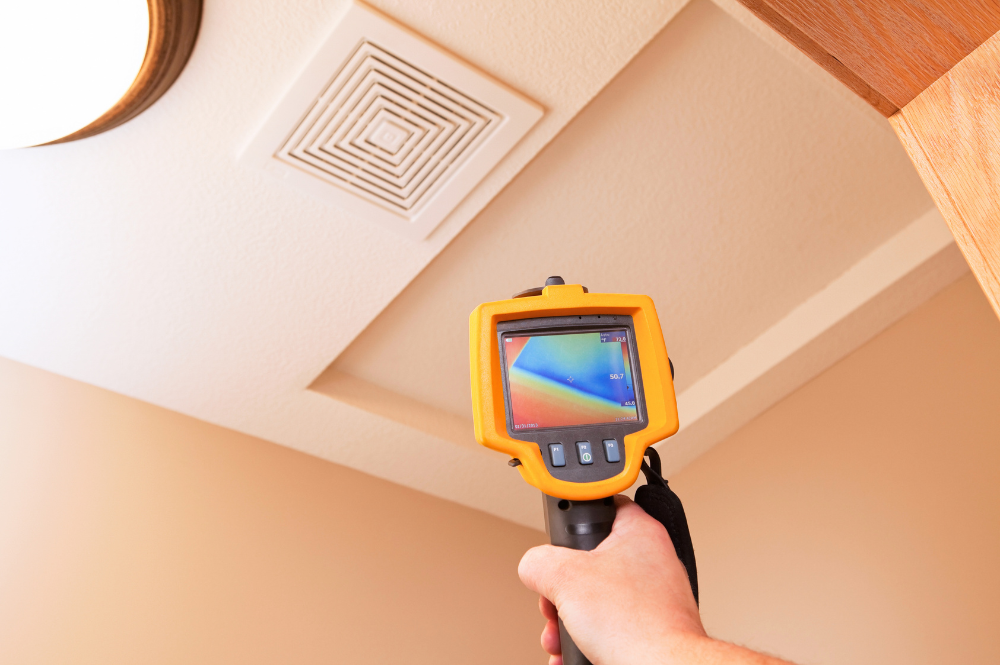
The best way to know for sure is to have someone look at your attic in person. Binsky’s technicians can evaluate your current ventilation, check for gaps in attic insulation or air sealing, and let you know honestly whether an attic fan will make a real difference in your home or if blown insulation or additional vents make more sense first.
Schedule an Attic Ventilation Evaluation
If your upstairs rooms feel like a sauna every summer or your attic fan just is not keeping up anymore, Binsky’s your guy. Our team can inspect your attic, recommend the right ventilation fan for your home, and handle installation or repair from start to finish.
Schedule service with Binsky Home Service today and start cooling down the rooms that need it most.
Frequently Asked Questions
Do attic fans really work?
Yes, when an attic has enough intake ventilation, an attic fan can lower attic temperatures significantly, often by up to 50 degrees, and take real pressure off your air conditioning system. Without enough soffit vents or a ridge vent to bring in fresh air, though, a fan will not perform nearly as well.
Can an attic fan actually cool my house?
Attic fans do not cool your living space directly the way an air conditioner does. Instead, they lower attic temperatures so less heat transfers down into the rooms below, which can make the whole house feel more comfortable and reduce how hard your air conditioner has to work.
Do attic fans save money on my electricity bill?
In most cases, yes, especially in homes with hot attics and central air conditioning. By lowering attic temperatures, the fan reduces the load on your air conditioning system. That said, in a home with poor insulation or air sealing issues, the fan may run more often than it should and offer less savings than expected.
Are electric attic fans safe to install?
They are safe when installed correctly by a trained technician. The main concern is negative pressure, which can occur if a fan pulls more air than the attic can supply through its vents. In homes with a natural gas water heater or furnace, this can occasionally affect venting. A professional installation accounts for this and sizes the fan appropriately.
Do I need an attic fan if I already have ridge vents and soffit vents?
Not always. Passive ventilation alone works well for many homes, especially those with good insulation and airflow. An attic fan makes the most sense when passive vents are not moving enough air on their own, particularly in attics that consistently run hot despite existing vents.
How do I know if my attic fan needs repair?
Watch for a fan that runs nonstop, makes unusual noise, will not turn on at all, or shows rust or water stains around the housing. Any of these are good reasons to have it inspected before the hotter months arrive.