If you’re planning a new cooling system or replacing aging equipment, one question often comes up: ductless mini-split vs central air, which is the better choice?
The answer depends on your home, your comfort goals, and how you plan to use the space. Both systems can provide reliable heating and cooling, but they do so in very different ways.
At Binsky Home Service, we’ve helped homeowners across New Jersey and Eastern Pennsylvania install everything from single-room ductless mini-splits to whole house central air systems. In some homes, a ductless HVAC system is the clear winner. In others, a traditional central air system delivers the best long-term value.
Understanding the differences can help you make a smarter investment.
Key Takeaways
-
Ductless mini-splits and central air both provide effective heating and cooling.
-
Mini-splits offer zoned comfort and excellent energy efficiency.
-
Central air can be ideal for larger homes with existing ductwork.
-
Installation costs vary based on the home’s layout and infrastructure.
-
The best system depends on your home’s specific needs, not just equipment price.
How the Systems Work
Before comparing benefits, it’s helpful to understand how each system operates.
Ductless Mini-Split Systems
A mini-split system consists of an outdoor unit connected to one or more indoor units through refrigerant lines. Most mini-split units use a heat pump design, allowing them to provide both heating and cooling from a single piece of equipment. Depending on the home’s layout, a ductless mini-split system may use one outdoor unit connected to multiple indoor units, giving homeowners precise control over temperatures in individual rooms.
Many homeowners appreciate the quiet operation and flexibility that ductless systems provide, especially in spaces where extending ductwork would be difficult or expensive.
Central Air Systems
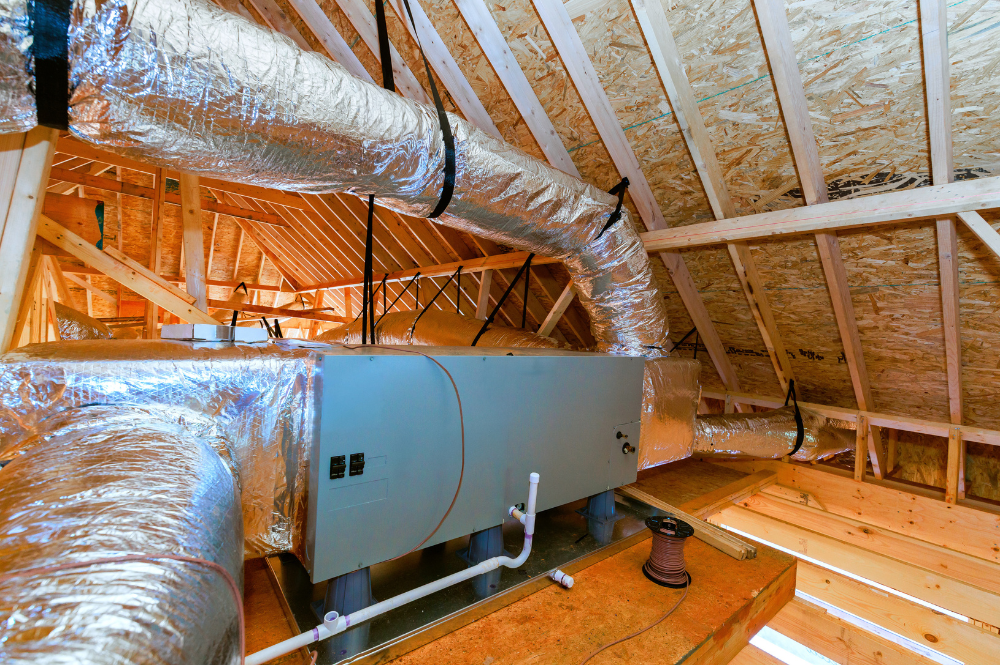
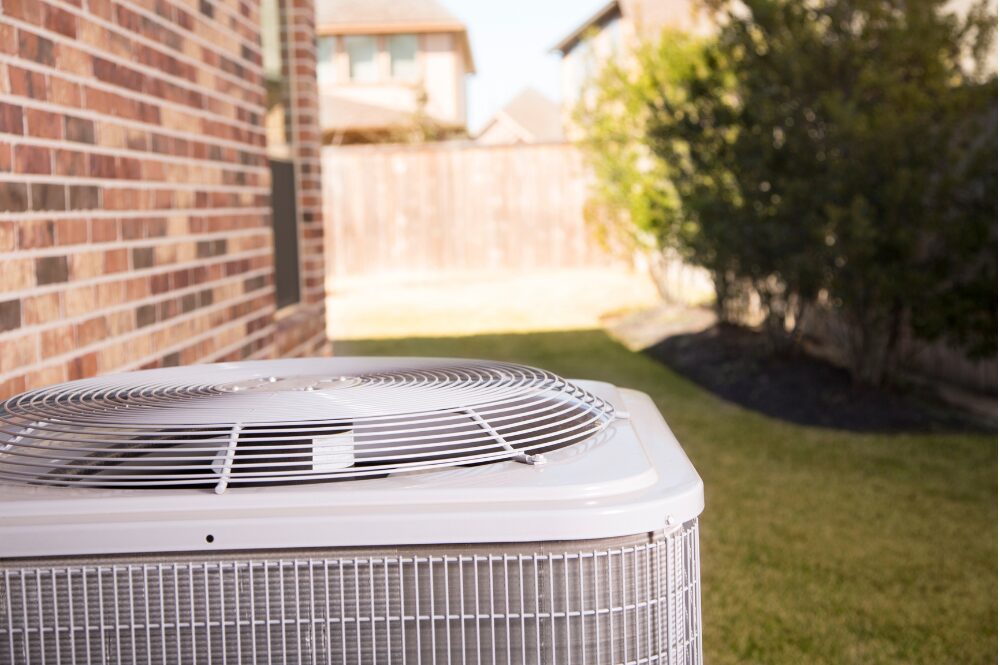
A central air system typically uses an indoor air handler or furnace paired with an outdoor condensing unit. Conditioned air is distributed throughout the home using existing ductwork and vents.
Conditioned air travels through a network of ducts and vents to cool the entire home. In many homes, the system relies on forced air to move cool air during summer and warm air during colder months.
For many homeowners, central air offers a familiar and seamless whole-home comfort experience, especially when existing ductwork is already in place.
Energy Efficiency: Which System Wins?
When comparing mini-split vs central air performance, energy efficiency is often one of the biggest deciding factors. Traditional HVAC systems can lose energy through leaky ducts, especially in older homes where ductwork has aged or become damaged over time.
Ductless systems have a natural advantage because they avoid the energy losses associated with ductwork.
According to the U.S. Department of Energy, duct losses can account for more than 20% of heating and cooling energy consumption in some homes. Because a ductless mini split delivers conditioned air directly into specific rooms, it often achieves higher energy efficiency and lower energy consumption than some ducted system configurations.
We’ve worked with homeowners who saw noticeable cost savings and lower electric bill increases after replacing older window units or inefficient HVAC systems with ductless heat pumps.
Advantage: Ductless Mini-Split
Comfort and Temperature Control
One of the biggest differences between the two systems is how they manage comfort.
A ductless HVAC system allows each indoor unit to operate independently. That means different rooms can maintain different temperatures based on personal preferences. This can be particularly helpful for households where different family members prefer different temperatures or where certain areas of the home are used less frequently.
For example:
-
Bedrooms can be cooler at night.
-
Home offices can stay comfortable during the day.
-
Guest rooms can be adjusted only when occupied.
Central air generally uses one thermostat to regulate larger sections of the home.
While zoning solutions exist for central systems, they often require additional equipment and controls.
Advantage: Ductless Mini-Split
Installation Requirements
Installation is where the differences become especially noticeable.
Ductless Installation
A ductless air conditioning system requires:
-
Wall mounted indoor air handlers
-
Individual indoor units
-
An outdoor condenser
-
Refrigerant lines
-
Electrical connections
-
Condensate drainage
Because no ductwork is needed, installation is often less invasive. A ductless mini system is often a strong option for homes without existing ducts or for areas where adding new ductwork would be disruptive.
Mini-splits are particularly popular for:
-
Older homes
-
Home additions
-
Finished basements
-
Garages
-
Sunrooms
-
Home offices
Central Air Installation
When existing ductwork is already in good condition, central AC installation can be relatively straightforward. However, homes that require significant duct modifications may face higher installation costs.
However, homes without ducts may require significant modifications before installation can occur.
In many older New Jersey homes, adding ductwork can become one of the largest project expenses.
Advantage: Depends on Existing Conditions
Appearance and Aesthetics
Some homeowners prefer the hidden appearance of central air.
With central systems, most of the equipment remains out of sight except for supply and return vents.
Mini-splits require visible indoor units mounted on walls, ceilings, or other locations throughout the home. Modern indoor units have become more streamlined, but many homeowners still prefer the nearly invisible appearance of central air conditioning vents throughout the home.
Modern systems have become more attractive over the years, but visibility remains a consideration.
Advantage: Central Air
Which Costs More?
There’s no universal answer because every project is different. For homeowners seeking whole home cooling, central air may offer a lower upfront investment when ductwork already exists. On the other hand, ductless systems may be more cost-effective than installing a completely new duct network.
In general:
-
Central air may be more affordable when existing ductwork is already available.
-
Ductless systems may cost less than installing an entirely new duct network.
-
Multi-zone mini-split systems can become more expensive as additional indoor units are added.
We’ve worked with homeowners who assumed central air would be cheaper, only to discover that new ductwork dramatically increased project costs. We’ve also seen large multi-zone ductless projects exceed the cost of a traditional central system.
The best way to compare options is through a professional evaluation.
Which System Is Better for New Jersey and Pennsylvania Homes?
In our experience, both systems have strong use cases.
A ductless mini-split system often makes sense when:
-
The home lacks existing ductwork.
-
You want room-by-room temperature control.
-
You’re finishing a basement or addition.
-
Energy efficiency is a top priority.
Central air often works well when:
-
Existing ductwork is already in good condition.
-
Whole-home comfort is the primary goal.
-
A furnace is already part of the HVAC system.
-
You prefer equipment that remains mostly hidden.
The right answer depends on how your home is built and how you want to use the space.
Making the Right Choice for Your Home
The debate between ductless mini-split vs central air doesn’t have a one-size-fits-all answer.
Both systems can provide reliable comfort, efficient operation, and long-term value when properly designed and installed. The key is choosing the solution that fits your home’s layout, comfort goals, and budget.
At Binsky Home Service, we help homeowners evaluate both options every day. If you’re considering a new heating and cooling system, our team can assess your home, explain the pros and cons of each approach, and help you make a confident decision. Contact us today to schedule a consultation.
Frequently Asked Questions
Is a mini-split system more efficient than central air?
In many situations, yes. Because a mini-split system doesn’t rely on ductwork, it avoids many of the energy losses that can occur in traditional central air systems.
Can ductless air conditioning cool an entire house?
Yes. Multi-zone systems can cool multiple rooms or even an entire home when properly designed. The number of indoor units and system capacity will depend on the home’s layout and cooling needs.
Is a ductless HVAC system good for older homes?
Absolutely. Many older homes throughout New Jersey and Pennsylvania were built without ductwork, making ductless systems an excellent option for efficient heating and cooling.
Which costs more: mini-split vs central air?
The answer depends on the home. Existing ductwork, the number of zones, installation complexity, and equipment selection all affect project costs.
How long do ductless mini-splits last?
With proper maintenance, many ductless mini-split systems can last 15 to 20 years or longer while maintaining strong performance and efficiency.