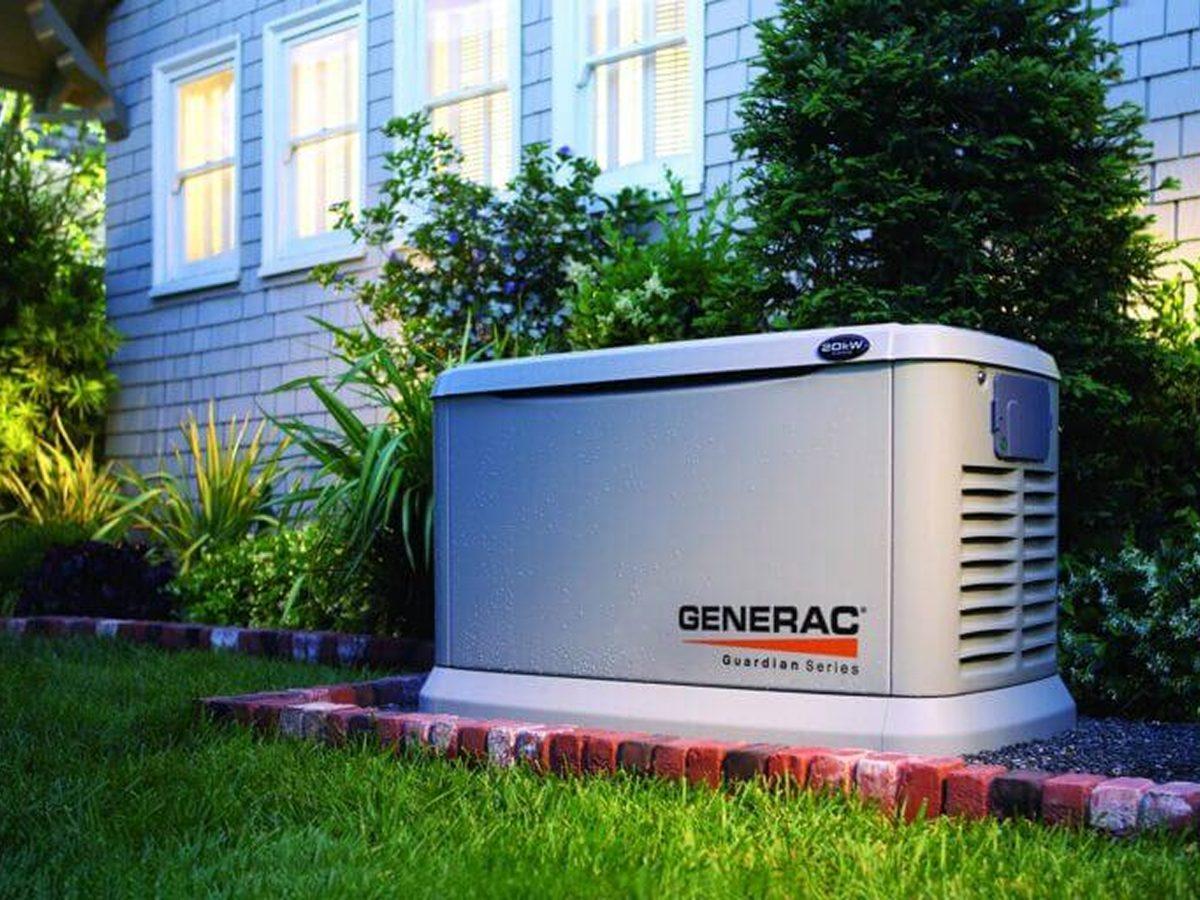
The power goes out, the house goes quiet, and suddenly you’re standing in the dark wondering how long this is going to last. If you’ve been through even one bad outage, you already know that a generator isn’t a luxury item. It’s a practical answer to a real problem. The harder question is figuring out exactly what size generator you need for your house, because guessing wrong in either direction costs you.
Key Takeaways
-
Generator size is based on total wattage, not square footage
-
Running watts and starting watts are both part of the calculation
-
Portable generators work for a handful of circuits, standby generators cover the whole house
-
A professional load calculation gives you the right size for your actual power needs
-
Improper installation or a poorly sized generator can lead to overload, equipment damage, or carbon monoxide risk
Start With Your Actual Power Needs
Before you look at generator size, think through what you actually want powered when you lose electricity. Some homeowners just want the refrigerator, a few lights, and the sump pump covered. Others want the whole house running normally, including heating systems, air conditioning, and every outlet in the kitchen.
Both are reasonable goals, but they call for very different equipment. A smaller generator can carry the essentials. A whole house generator is built to carry the full electrical load of an average home without you having to pick and choose what stays on.
How Generator Sizing Works
Every appliance in your home pulls two different amounts of power: running watts and starting watts. Running watts are the steady power an appliance needs once it’s already on. Starting watts are the extra burst of power a motor needs for those first few seconds to get moving, and that burst can be two to three times higher than the running wattage.
To find your generator size, add up the running watts of everything you want to operate at the same time, then add the starting wattage of the single largest motor-driven appliance on that list, whether that’s a well pump, an air conditioner, or a large appliance like a dryer. That total gives you your baseline power needs.
A few common examples of running wattage:
-
Refrigerator: around 700 watts running, over 2,000 watts to start
-
Sump pump: 800 to 1,500 watts
-
Central air conditioning: 2,000 to 4,000 watts or more
-
Furnace blower motor: 500 to 1,000 watts
-
Well pump: 1,000 to 2,000 watts
-
Water heater: varies by type, higher for electric models
Most professionals recommend building in a cushion of 15 to 20 percent above your calculated total. That extra capacity protects the generator from running at its max output constantly, which extends its life and keeps performance steady even when a few extra kitchen appliances or electronics come on unexpectedly.
Portable Generators vs. Standby Generators
Portable generators are the more affordable entry point, and for homeowners who mainly need backup power for a few essentials, they get the job done. Smaller portable generators, in the 3,000 to 7,000 watt range, can run a refrigerator and a small air conditioning unit. Large portable generators can climb into the 7,000 to 12,500 watt range and handle central air conditioning or a well pump.
The tradeoff is effort. Portable units usually run on gasoline, need to be started manually, and require you to run cords from the generator to whatever you’re powering. That’s manageable for a short outage, but it gets old fast if the power grid stays down for a day or more.
A standby generator, often called a whole house generator or whole home generator, is installed permanently outside the house, usually near the garage or in a dedicated outdoor space, and is especially valuable for winter storm preparedness with a Generac standby unit. It connects directly to your home’s electrical system through an automatic transfer switch, which senses the moment you lose power and switches the generator on within a few seconds, no manual startup required. When the power grid comes back, the transfer switch shifts you back to utility electricity automatically.
Standby generators typically range from 10,000 to 22,000 watts or more, which is enough output to cover most homes, including heating systems, heat pumps, air conditioning, and large appliances running at the same time.
Fuel Options: Natural Gas, Propane, and Dual Fuel
Standby generators most commonly run on natural gas or propane. If your house is already connected to a natural gas line, that’s often the simplest option, since the generator draws directly from the gas line and never needs refueling. Propane models run off a dedicated propane tank, and a large tank can keep the generator running for an extended outage without needing a refill.
Portable and inverter generators typically run on gasoline, though dual fuel models are available that can switch between gasoline and propane depending on what’s on hand. Inverter generators tend to produce cleaner, more stable output, which matters if you’re planning to connect sensitive electronics, since inconsistent power can damage them over time.
Why Professional Installation Matters
A generator, especially a standby unit, isn’t a project to handle solo. Professional installation makes sure the transfer switch is wired correctly, the generator is placed at a safe distance from windows and doors, and the whole system meets local electrical and fuel codes.
That last point matters more than people expect. Every year, homes experience carbon monoxide poisoning from generators that were placed too close to living spaces or run without proper ventilation. A licensed technician will size the generator to your load, install it at a safe distance from the house, and make sure the exhaust and electrical connections are code compliant from day one.
Finding Your Right Size
There’s no single “best generator” that fits every house, because every house has different power needs. A smaller generator might be perfectly reliable for a homeowner who just wants the essentials covered. A larger whole home system makes more sense for a house with central air, a well pump, and a family that isn’t willing to live without heat, hot water, or refrigeration during an outage.
The only way to land on the right size is a professional load calculation. A technician will walk through your electrical panel, your appliances, and how you actually use power day to day, then recommend a generator sized to match, not one that’s oversized and wasting fuel or undersized and struggling under the load.
Binsky Home Service has helped homeowners across New Jersey and Eastern Pennsylvania size, install, and maintain Generac whole-home generators and explain total project costs for years. We’ll calculate your home’s real power needs, walk you through natural gas and propane options, and make sure your system is installed safely and correctly the first time, and we can also set you up with a home maintenance plan for ongoing generator and system care.
Don’t wait for the next outage to figure out your generator size. Request an estimate today and get a system built for how your home actually runs. Binsky’s your guy.
Frequently Asked Questions
How do I calculate what size generator I need?
Add up the running watts of everything you want powered at once, then add the starting watts of your largest motor-driven appliance, like a well pump or air conditioner. Build in a 15 to 20 percent buffer on top of that total for a safe, reliable size.
What size generator do I need to power my whole house?
Most whole house generators fall between 10,000 and 22,000 watts, depending on your home’s square footage, HVAC equipment, and how many large appliances run at the same time. A load calculation from a technician gives you an exact number instead of a guess.
Is natural gas or propane better for a standby generator?
Natural gas connects directly to your existing gas line and never runs out, which makes it a convenient option if that line is already available. Propane requires a dedicated tank but works well for homes without natural gas service and can run for extended periods with a large tank.
Can a portable generator power my whole house?
Typically not. Portable generators are best suited for a limited number of circuits, like a refrigerator, some lighting, and a sump pump. Running an entire house, especially with central air or a well pump, usually calls for a standby generator sized to your home’s full electrical load.
Do I need a transfer switch for a home generator?
Yes, if you want the generator to connect safely to your home’s electrical system. A transfer switch, especially an automatic transfer switch on a standby unit, keeps your home’s wiring isolated from the power grid and prevents dangerous backfeed into utility lines.