Power outages have become more disruptive for homeowners across New Jersey and Eastern PA. Summer storms, heavy snow, fallen trees, and overloaded utility power systems can leave homes without electricity for hours or even days.
That’s why more homeowners are researching standby generator systems before the next outage happens. One of the first questions people ask is straightforward: how much is a Generac generator?
The answer depends on the generator size, fuel type, installation complexity, and how much of the home you want the system to power during an emergency.
Key Takeaways
-
Generac generator cost in New Jersey and Eastern PA typically ranges from $8,000 to $16,000 installed
-
Generator size, fuel type, and electrical upgrades affect the total cost
-
Natural gas systems are often more convenient for long-term backup power
-
Proper installation and site preparation are critical for performance and safety
-
Financing options can help homeowners spread out the investment over time
How Much Does a Generac Generator Cost?
For most homeowners, a professionally installed home standby generator costs between $8,000 and $16,000 depending on the system and installation requirements.
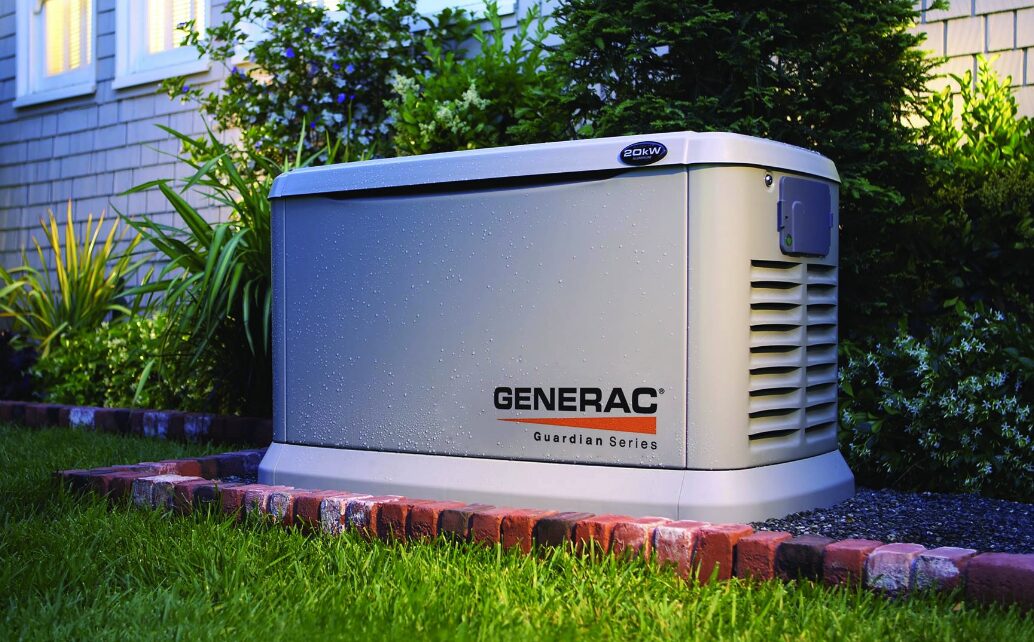
Smaller whole house generators designed to power only essential circuits may fall closer to the lower end of the range. Larger systems capable of supporting the entire home, including heating, cooling, and appliances, can exceed $20,000 depending on the setup and premium features selected.
The total cost generally includes:
-
Generator unit
-
Automatic transfer switch
-
Concrete pad installation
-
Electrical and fuel connections
-
Permits and inspections
-
Site preparation
-
Startup testing and system setup
Portable Generac units are much less expensive, typically ranging from $500 to $1,500 depending on power output and features. However, portable systems cannot provide the same automatic backup power and convenience as a permanently installed home standby generator.
What Impacts Generac Generator Cost?
Several factors influence installation costs and long-term value.
Generator Size and Power Output
One of the biggest pricing factors is generator size.
Generators are sized based on kilowatt output and how much electricity the homeowner wants available during an outage. Some homeowners only want reliable power for essential circuits like refrigerators, lighting, sump pumps, and heating systems. Others want enough backup power to operate the entire house without interruption.
Larger systems require:
-
Bigger generator units
-
Increased fuel supply capacity
-
More electrical load handling
-
Additional installation labor
Professional load calculations help determine the right generator size based on the home’s actual power needs.
Fuel Type Matters
The choice between natural gas and liquid propane impacts both installation and long-term operating costs.
Natural gas systems are often preferred because they connect directly to the utility gas line and provide continuous fuel during extended outages. Homes without access to a natural gas line may use propane instead.
Fuel type can affect:
-
Installation costs
-
Fuel line requirements
-
Long-term fuel expenses
-
Site placement flexibility
Many homeowners appreciate the convenience of natural gas because there’s no need to manually refill fuel during an emergency.
The Installation Process Involves More Than Most Homeowners Expect
A backup generator installation involves multiple steps beyond simply placing the unit outside the house.
The installation process usually includes:
-
Site preparation
-
Permit approvals
-
Electrical upgrades if needed
-
Fuel line installation
-
Concrete pad placement
-
Transfer switch installation
-
Startup testing and inspections
A licensed electrician installs the automatic transfer switch next to the electrical panel so the system can safely switch between utility power and generator power during an outage.
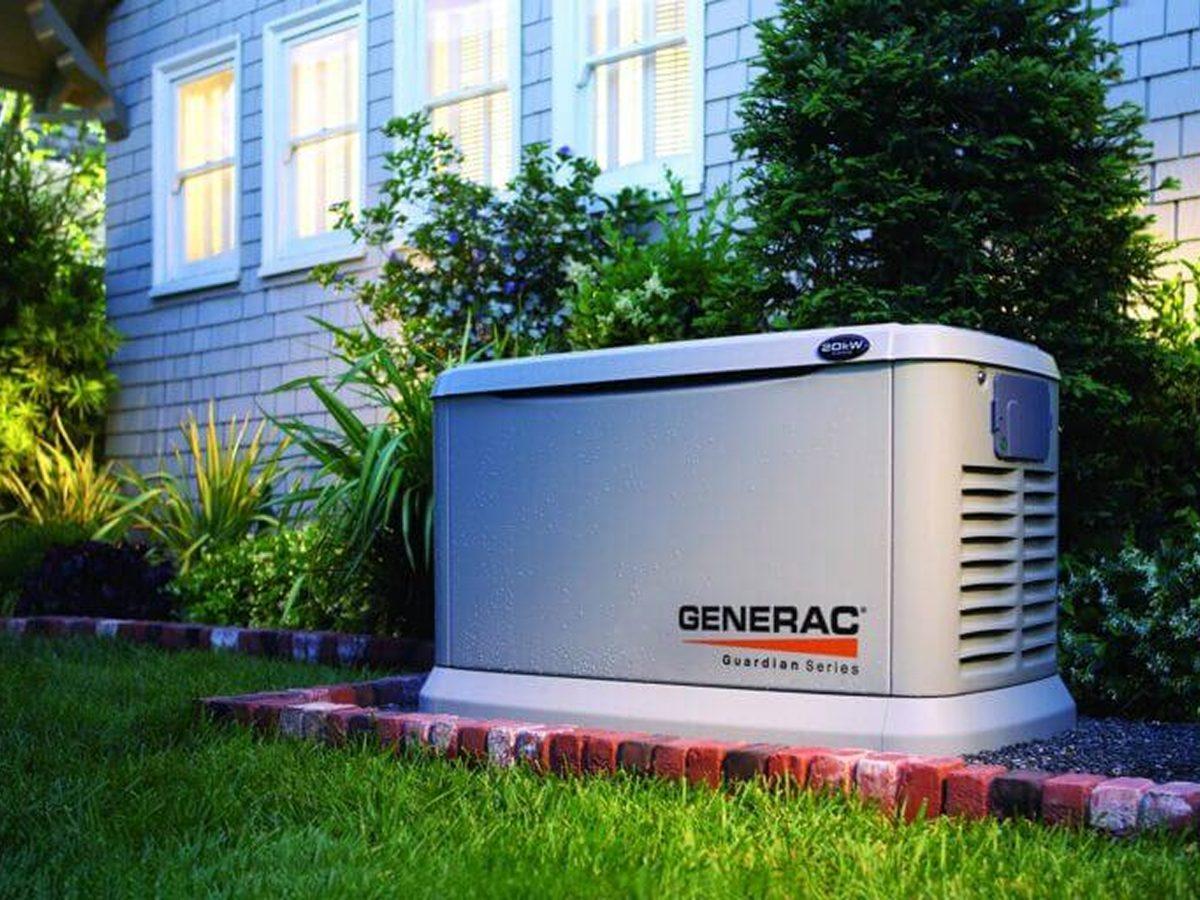
Proper site preparation also matters for generator performance and long-term reliability. Generac recommends placing the unit on stable, well-drained ground near the electric meter and fuel source when possible.
While the physical installation may only take several hours, the overall process including permits and scheduling can sometimes take several weeks.
Why More Homeowners Are Choosing Standby Generators
For many families, backup power is no longer considered a luxury.
A standby generator helps protect:
-
Refrigerators and food storage
-
Heating and cooling systems
-
Medical devices
-
Sump pumps during storms
-
Home offices and internet access
-
Family comfort during extended outages
Automatic backup systems restore electricity within seconds after a power loss, helping homeowners avoid the stress and inconvenience of manual setup.
Financing Options Can Make Installation More Manageable
Installing a standby generator is a major investment, but flexible financing options can make the process more manageable for homeowners. Binsky Home Service offers financing plans with low monthly payments, easy online applications, deferred or no-interest loan options, and flexible down payment solutions to help homeowners prepare for outages without unnecessary financial strain.
Our team can walk you through available financing options and help you find a solution that fits your budget and home comfort goals.
Why Professional Installation Matters
A home standby generator connects directly into major home systems, including the electrical panel and fuel supply. That work requires experienced, certified professionals who understand local codes, permitting requirements, and safe installation practices.
Improper installation can lead to:
-
Unsafe electrical conditions
-
Fuel connection problems
-
Reduced generator performance
-
Reliability issues during outages
-
Warranty complications
Our team helps homeowners throughout New Jersey evaluate backup power systems based on the home’s layout, electrical load, and long-term reliability goals.
Reliable Backup Power Starts with the Right Plan
A standby generator helps protect your home, improve comfort during outages, and provide peace of mind when severe weather hits New Jersey and Eastern PA.
If you’re considering a Generac system for your home, Binsky Home Service can help you evaluate generator options, understand installation costs, and design a backup power system that fits your needs and budget. Contact our team today to schedule a consultation and learn more about professional generator installation services.
FAQs
What is the average Generac generator cost including installation?
Most professionally installed systems range between $8,000 and $16,000 depending on generator size, fuel type, electrical upgrades, and installation complexity.
What size standby generator do I need?
The right generator size depends on your home’s electrical load and how many systems you want operating during an outage. A professional load calculation helps determine the proper setup.
How does an automatic transfer switch work?
An automatic transfer switch detects utility power loss and safely transfers electricity from the generator to your home’s electrical panel within seconds.
Is natural gas or propane better for a backup generator?
Natural gas is often more convenient if available because it provides continuous fuel through the utility line. Propane systems work well for homes without natural gas access.
How long does generator installation take?
The physical installation may only take one or two days, but permits, inspections, and site preparation can extend the overall process to several weeks depending on the project.