Summer storms roll through New Jersey and Eastern Pennsylvania fast, and they don’t wait for a convenient time to show up. One minute the sky is clear, and the next you’re watching heavy rainfall pound the yard while you wonder if your basement can handle it. If your sump pump hasn’t been checked in a while, now is the time to find out, not after water is already pooling on the floor.
A little sump pump maintenance now can save you from a flooded basement, ruined belongings, and costly water damage down the line. Here’s a practical checklist to run through before storm season ramps up, plus a few signs that mean it’s time to call in a professional for sump pump repair or replacement.
Key Takeaways
-
Test your sump pump, float switch, and check valve before storm season hits
-
Clean the sump pit, inlet screen, and discharge pipe to prevent clogging
-
A battery backup keeps your system running during a power outage
-
Loud noises, slow drainage, or a pump that runs constantly are signs of trouble
-
Regular maintenance protects your basement from flooding and structural issues
-
An aging or failing pump may need sump pump installation rather than another repair
Why Sump Pump Maintenance Matters Before Storm Season
Your sump pump probably doesn’t cross your mind until you need it. That’s the problem. A pump that’s been sitting quietly in the pit for months can develop issues you won’t notice until heavy rains put it to the test, and by then it’s often too late to fix quietly.
Preventative maintenance keeps the pump ready when you actually need it. It also helps you catch small problems, like a sticking float switch or a worn check valve, before they turn into a flooded basement and a much bigger repair bill. Many homeowners assume their sump pump is fine simply because it hasn’t failed yet, but a pump can look fine and still be one heavy storm away from letting you down.
Your Pre-Storm Sump Pump Checklist
1. Test the Pump
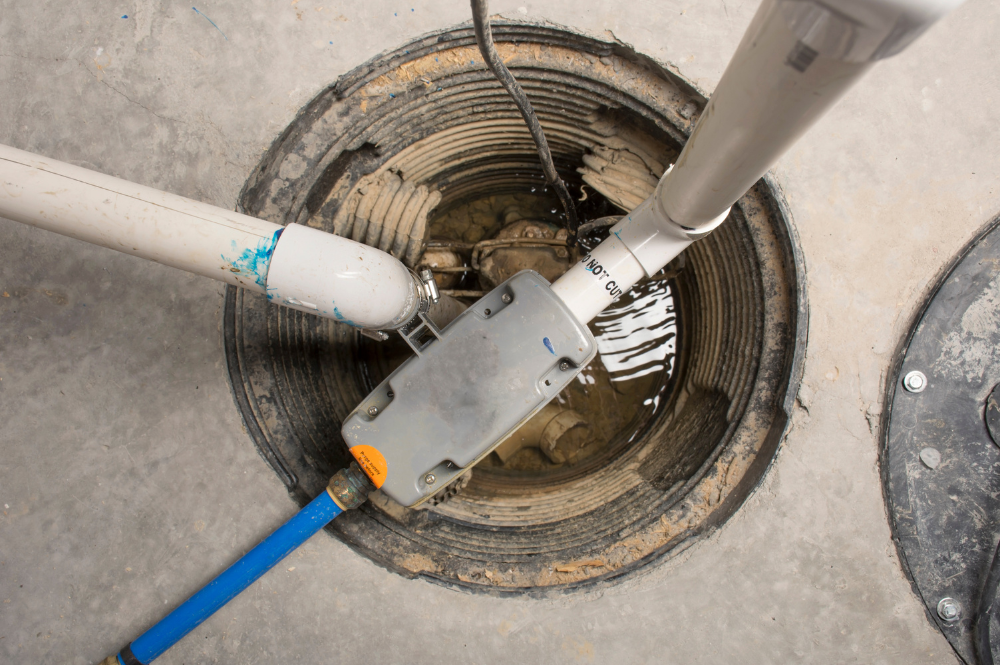
Fill a bucket with water and pour it into the sump pit, or run a hose if one is handy. Watch the float rise, listen for the pump to kick on, and confirm the water level drops within a minute or two. If the pump hesitates, struggles, or doesn’t turn on at all, that’s your first red flag that something needs attention.
2. Check the Power Source
Make sure the pump is plugged directly into a dedicated outlet, not an extension cord or a power strip. Check that the outlet is working and that the plug and cord aren’t frayed or damaged. If your pump is on a GFCI outlet that’s tripped, that alone could leave you without protection when you need it most.
3. Inspect the Float Switch
The float switch tells the pump when to turn on. Over time, it can get stuck against the side of the pit or tangled in its own cord. If your float switch has a habit of drifting or catching, securing the cord with a zip tie can keep it moving freely and cycling the way it should.
4. Clean Out the Pit, Inlet Screen, and Debris
Dirt, gravel, and small debris can build up in the sump pit and clog the inlet screen or interfere with the float. A shop vac makes quick work of clearing out the pit so water can flow in and drain out without obstruction. This is one of the simplest maintenance steps, and it makes all the difference when heavy rain hits.
5. Check the Discharge Pipe
Water needs somewhere to go once it leaves your basement. Walk outside and confirm the discharge pipe is clear of leaves, dirt, or damage, and that it’s directing water at least several feet away from your foundation. A clogged or poorly positioned discharge line can send water right back toward your house instead of away from it.
6. Look at the Check Valve
The check valve keeps water from flowing back into the pit after the pump shuts off. A faulty check valve makes the pump work harder and cycle more often than it should, which shortens its lifespan and puts unnecessary wear on the motor.
7. Consider a Battery Backup or Secondary Pump
Summer storms often bring power outages right when you need your sump pump the most. A battery backup system, sometimes paired with a secondary pump like a Basement Watchdog unit, keeps water moving even if your primary pump loses power. Since a power outage during a storm is exactly when flooding risk is highest, this is one upgrade that pays for itself the first time it’s needed.
8. Know Your Pump’s Age and Material
Most sump pumps last around seven to ten years with regular use. Cast iron pumps tend to hold up longer than plastic models, but age and flow rate matter more than material alone. If you’re not sure how old your primary pump is, or if it’s been running for a decade already, it may be worth having a technician take a look before storm season instead of waiting for it to fail.
Signs of Sump Pump Failure
A few warning signs mean your pump needs attention sooner rather than later:
-
Unusual or loud noises, including grinding, rattling, or humming
-
The pump running constantly, even with no rain
-
The pump cycling on and off rapidly
-
Slow drainage or water pooling around the pit
-
A musty smell or excess moisture near the sump pit
-
Visible rust or corrosion on the pump, valve, or fittings
Catching these issues early with prompt sump pump repair is almost always less expensive and less disruptive than dealing with a flooded basement and structural issues after the fact.
When It’s Time for Sump Pump Installation
Not every sump pump problem can be fixed with a repair. If your primary pump is old, undersized for your home, or has failed more than once, a full sump pump replacement might be the smarter long-term choice. Our technicians can help you figure out the best sump pump for your home based on pit size, flow rate needs, and how much water your property typically deals with during heavy rains.
Proper setup matters just as much as the pump itself. A correctly sized pit, a stable gravel base, and a sealed concrete surround all support long term reliability, while a rushed or mismatched installation can leave you dealing with the same problems again in a few years.
Why Homeowners Trust Binsky for Sump Pump Services
Binsky Home Service has been helping local homeowners protect their basements for years, and our technicians know what New Jersey and Eastern Pennsylvania homes are up against each summer. When you call for sump pump services, you’re getting a trained professional who will give you an honest assessment, not an upsell.
We show up on time, explain what we find in plain language, and get your system running the way it should before the next storm rolls in. If a repair will do the job, we’ll tell you. If it’s time to install a sump pump built for long term reliability, we’ll walk you through your options without the pressure.
Get Ahead of Storm Season
Don’t wait for the next downpour to find out your sump pump isn’t up to the job. Schedule your sump pump maintenance with Binsky Home Service today and head into storm season with a basement you don’t have to worry about.
Request service to get your sump pump checked before the next storm rolls in.
Frequently Asked Questions
How often should I schedule sump pump maintenance?
Most homeowners benefit from a professional check once a year, ideally in the spring before storm season picks up. Testing it yourself every few months with a bucket of water is a good habit too.
Can I test my sump pump myself?
Yes. Pouring water into the pit and watching how the pump responds is a simple test anyone can do. If anything seems off, that’s a good time to call for sump pump services.
What causes a sump pump to fail during a storm?
The most common causes are a power outage, a stuck float switch, a clogged discharge pipe, or a pump that’s simply worn out from age. This is exactly why a battery backup and regular maintenance matter so much.
How long does sump pump installation take?
Most installation services can be completed in a single visit, and our technicians will walk you through the process and answer any questions before, during, and after.
Is it worth repairing an old sump pump or should I replace it?
It depends on the pump’s age and condition. If it’s under five years old and the issue is minor, repair often makes sense. If it’s older, made of lower-quality plastic, or has failed before, a new sump pump usually offers better long term reliability.
How much water can a sump pump handle?
That depends on the pump’s flow rate and horsepower. Homes with a high water table or a history of flooding often need a higher-capacity pump to keep up with heavy rains.